


Pool Cues & Pool Sticks for Sale | Low-Deflection Performance Cues
ALL PREDATOR HIGH-PERFORMANCE POOL CUES AND POOL STICKS
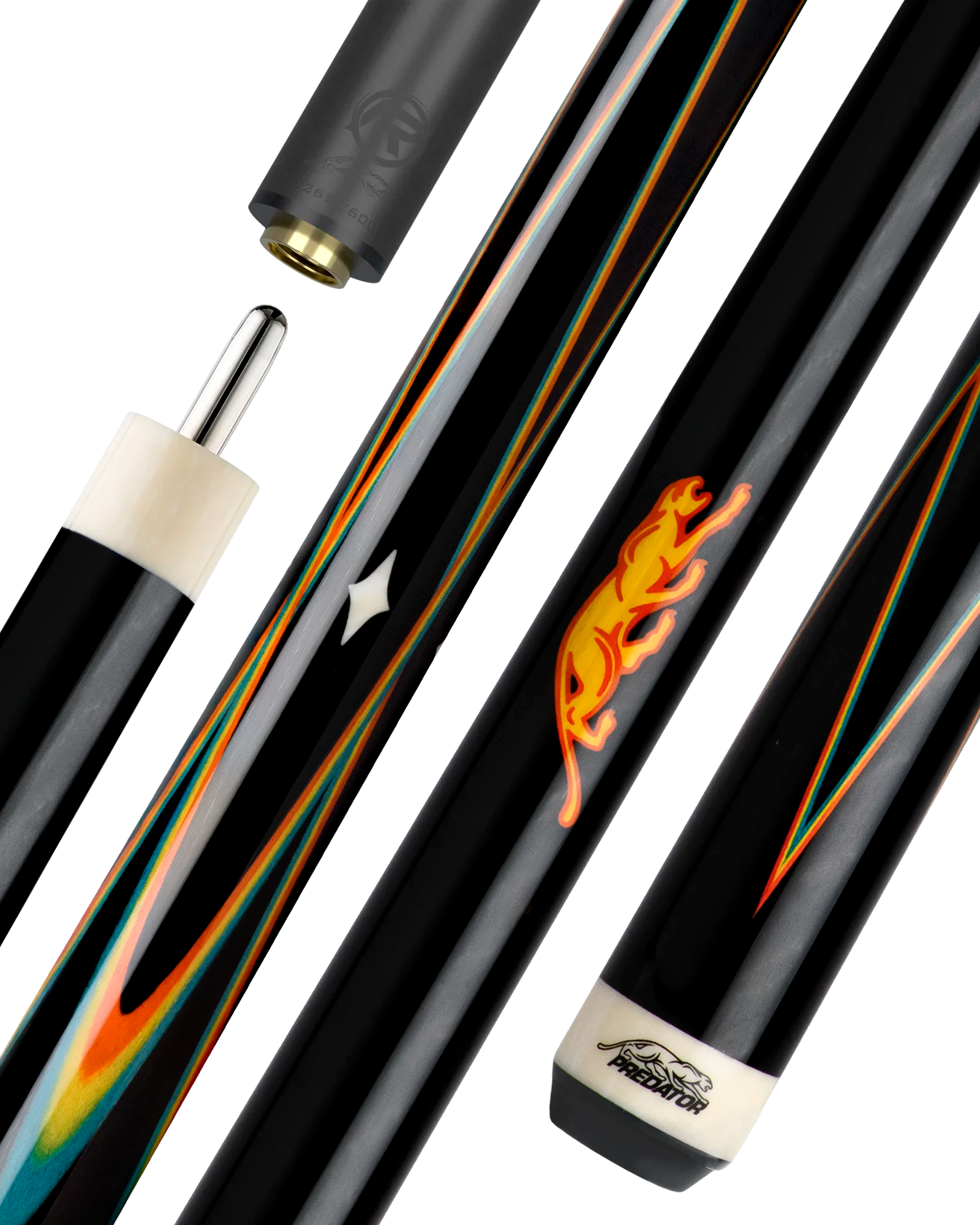
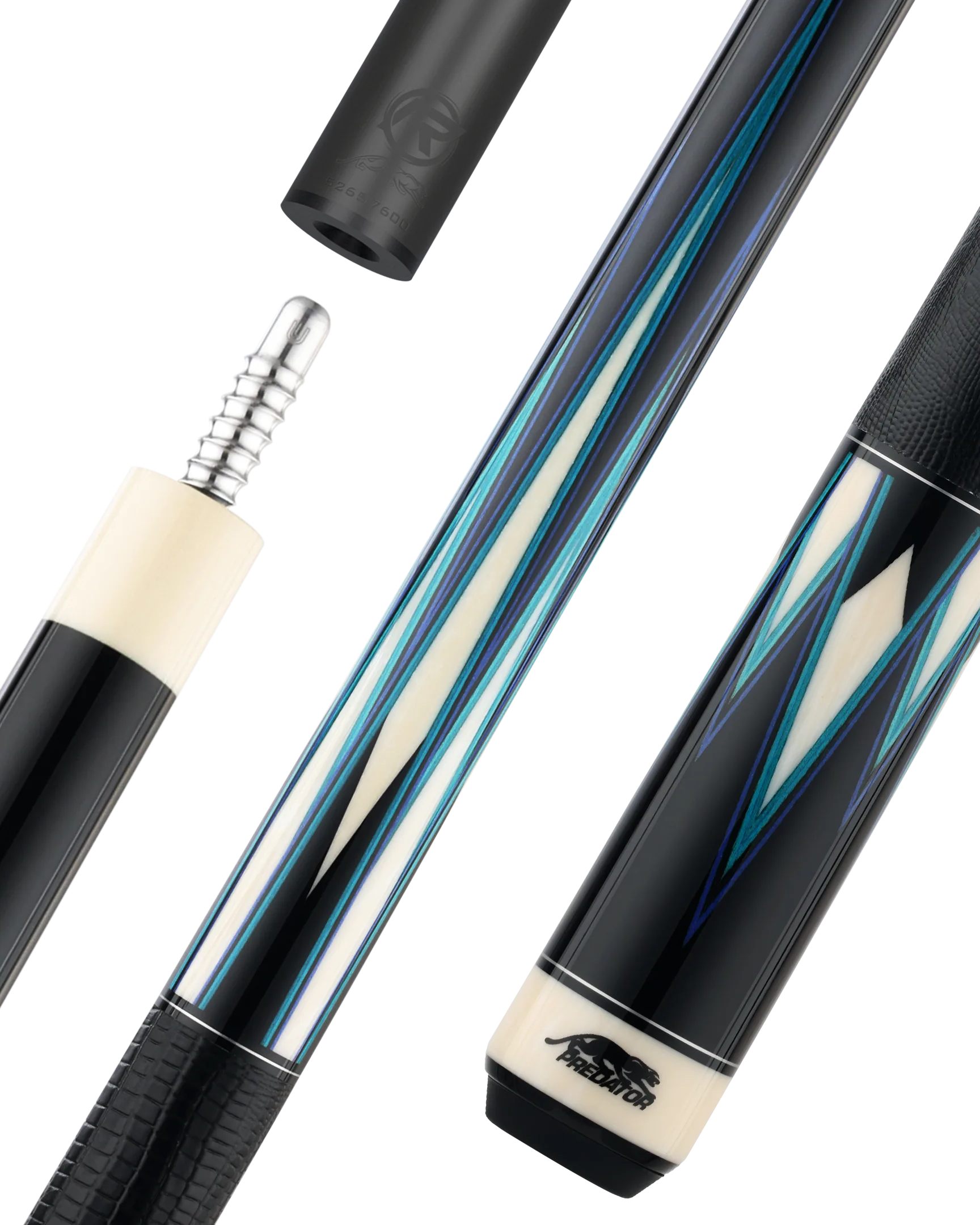
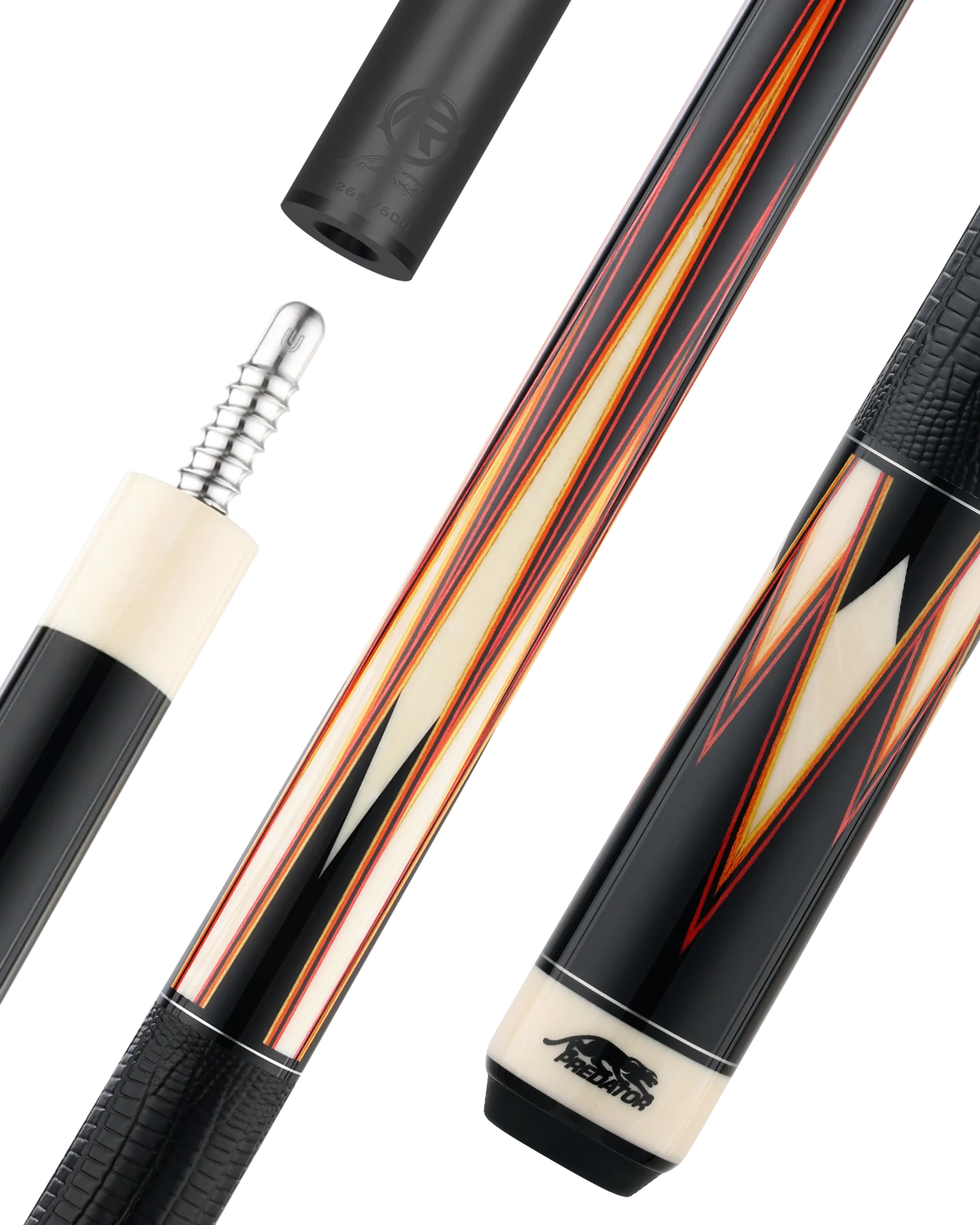
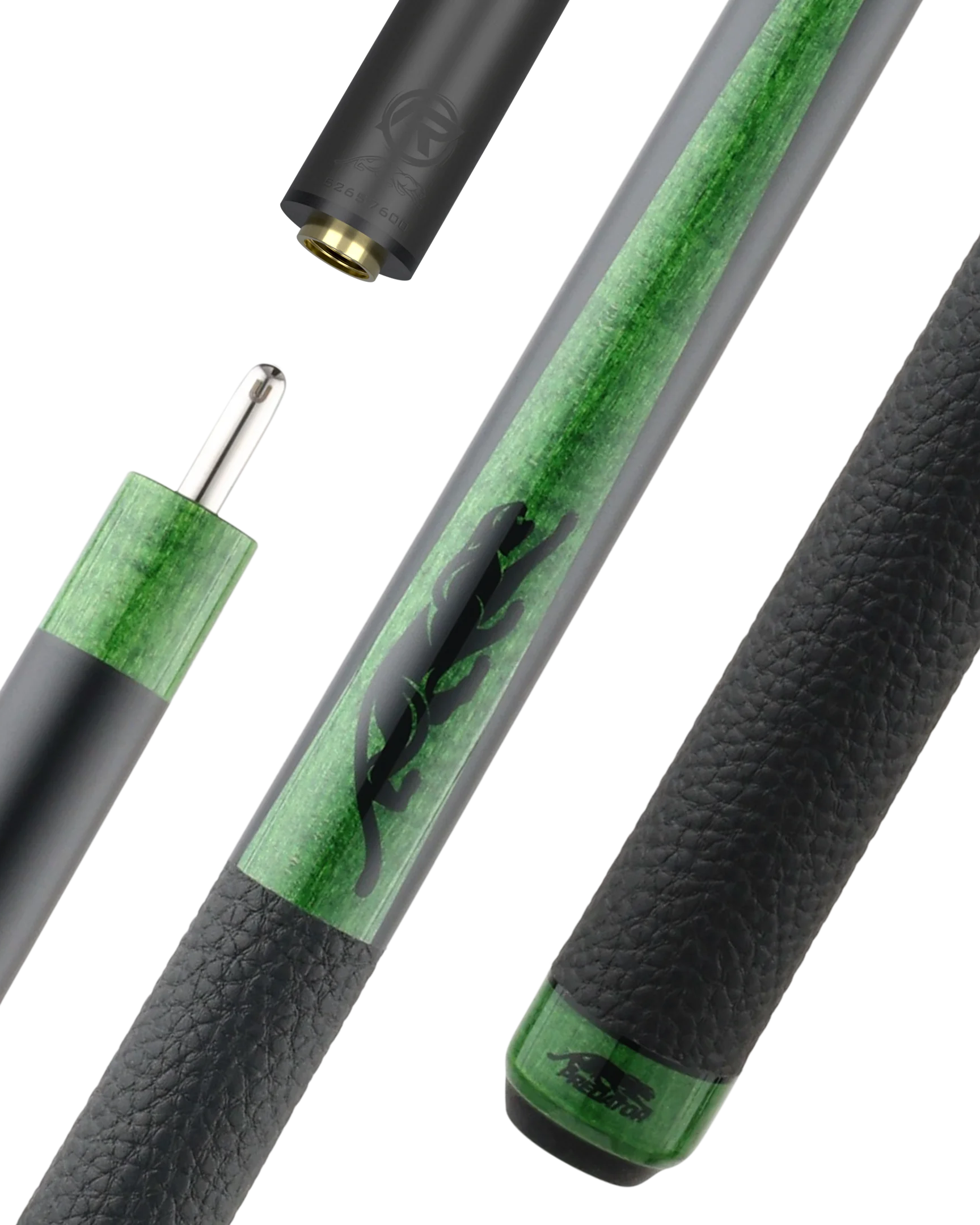
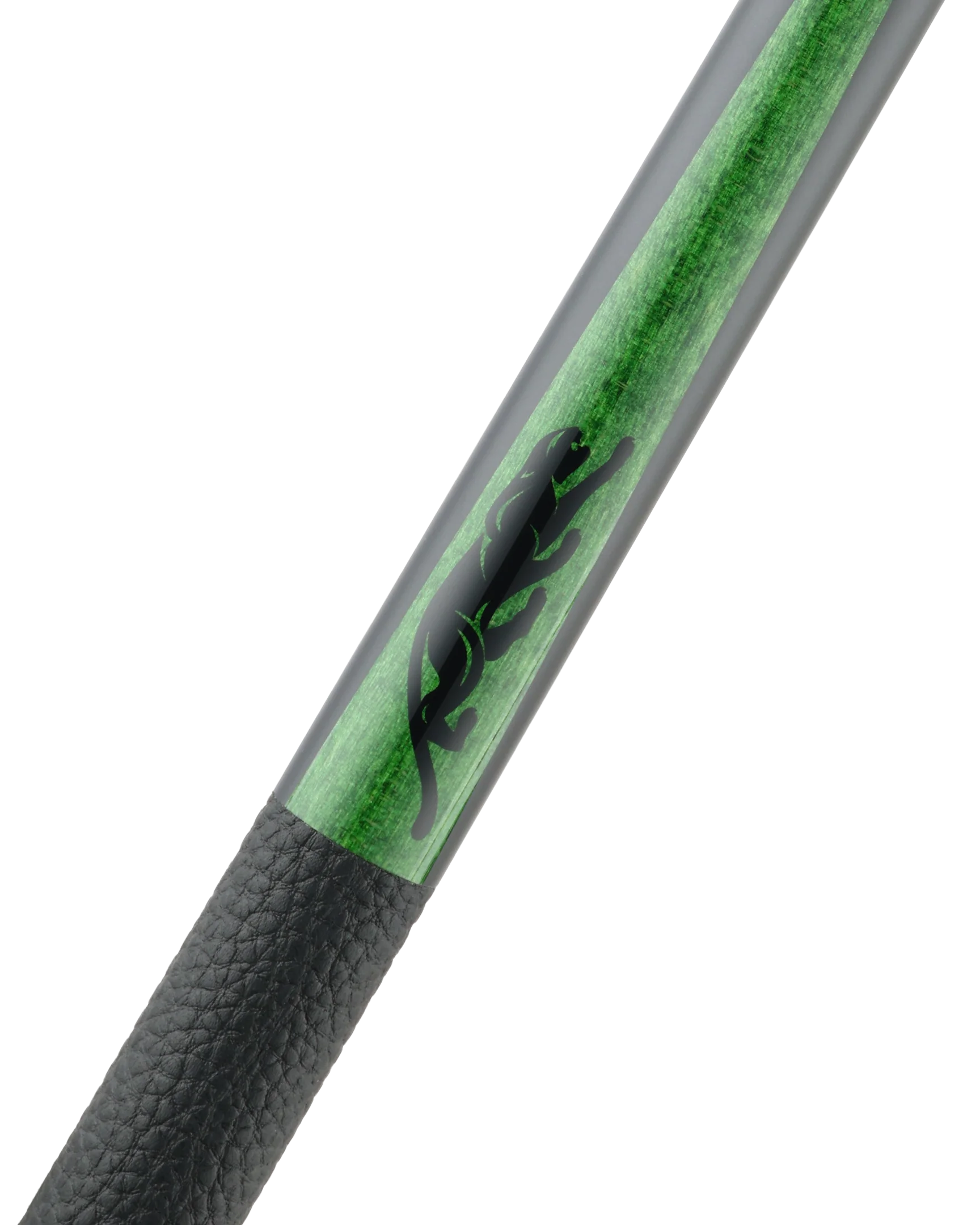
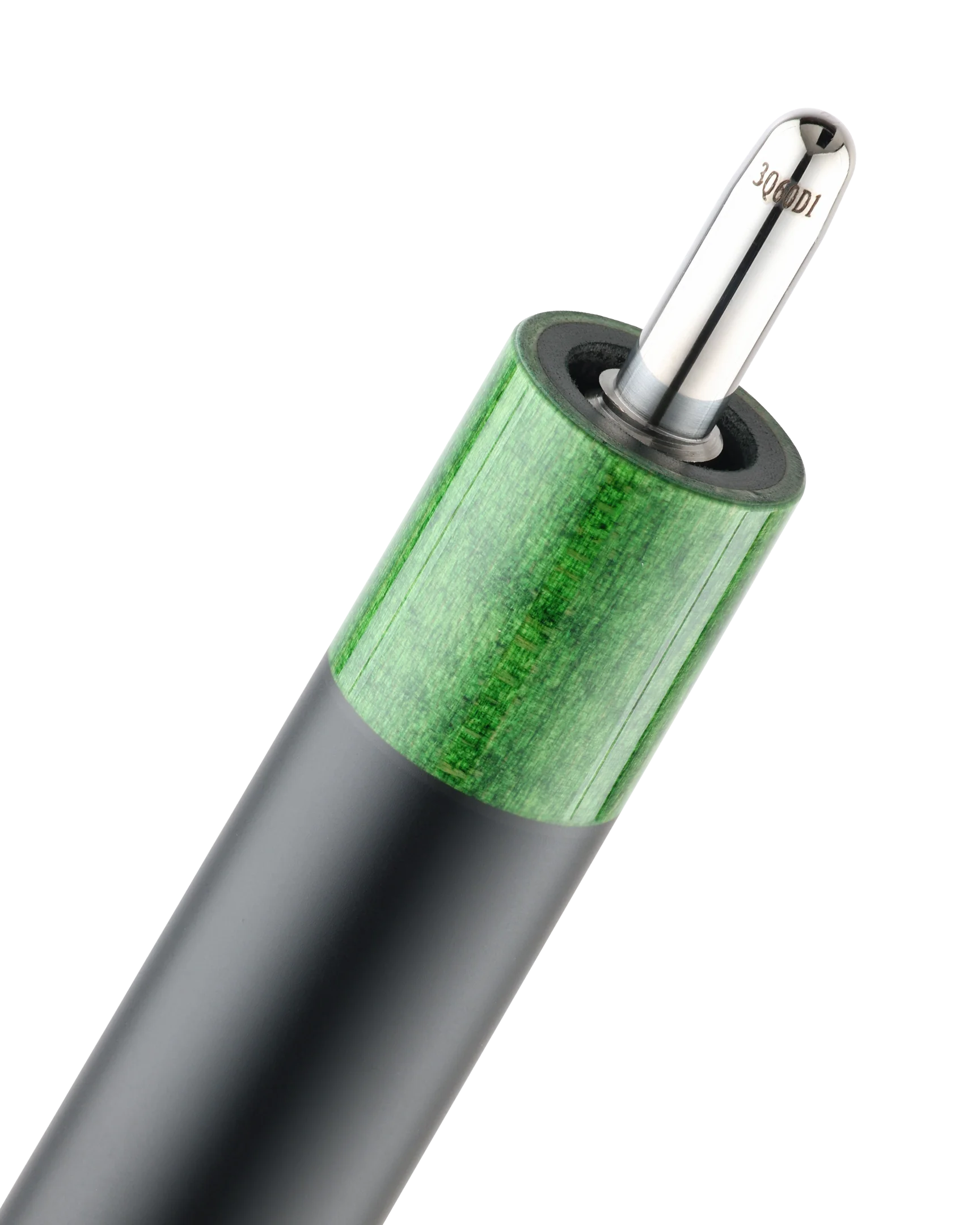
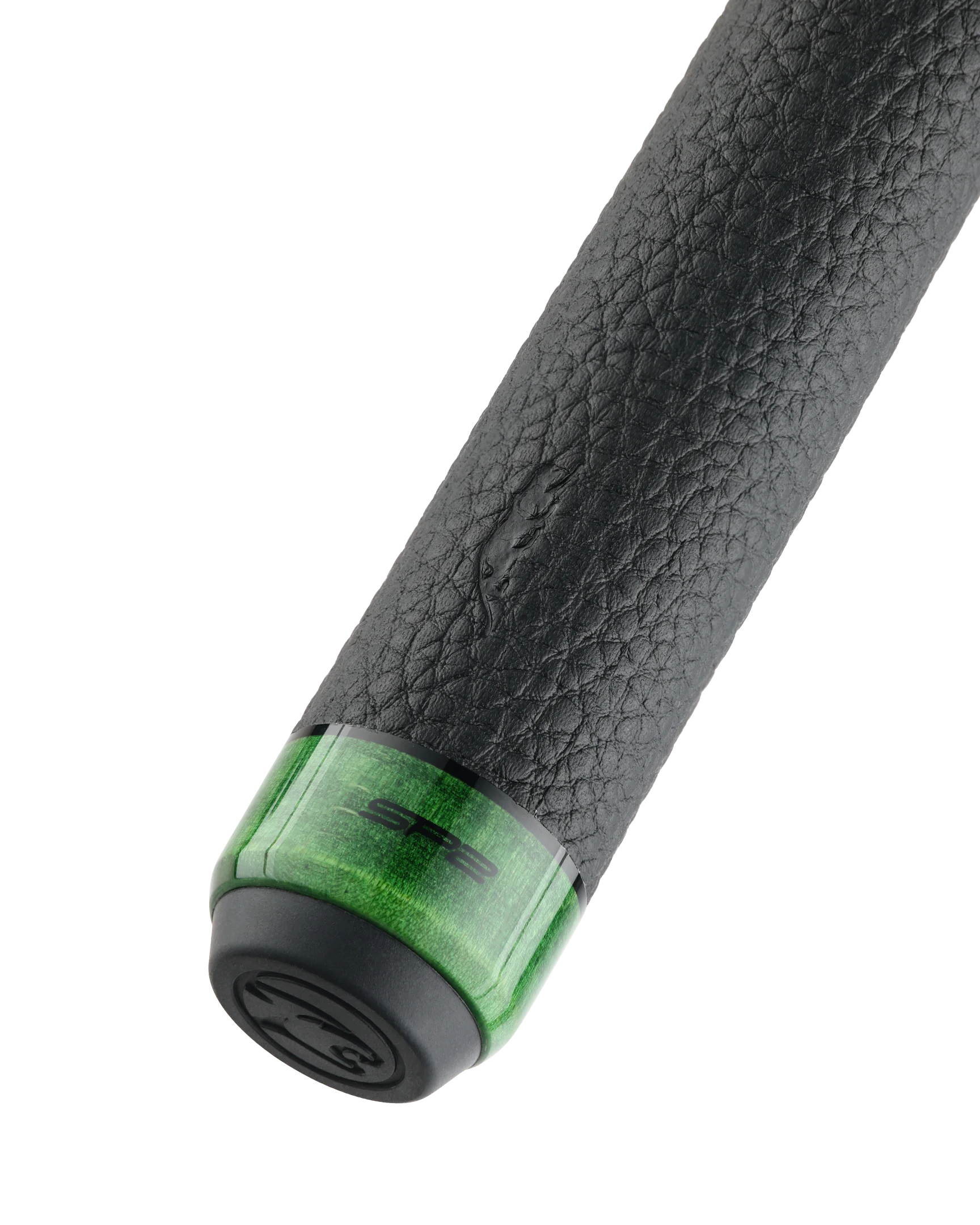
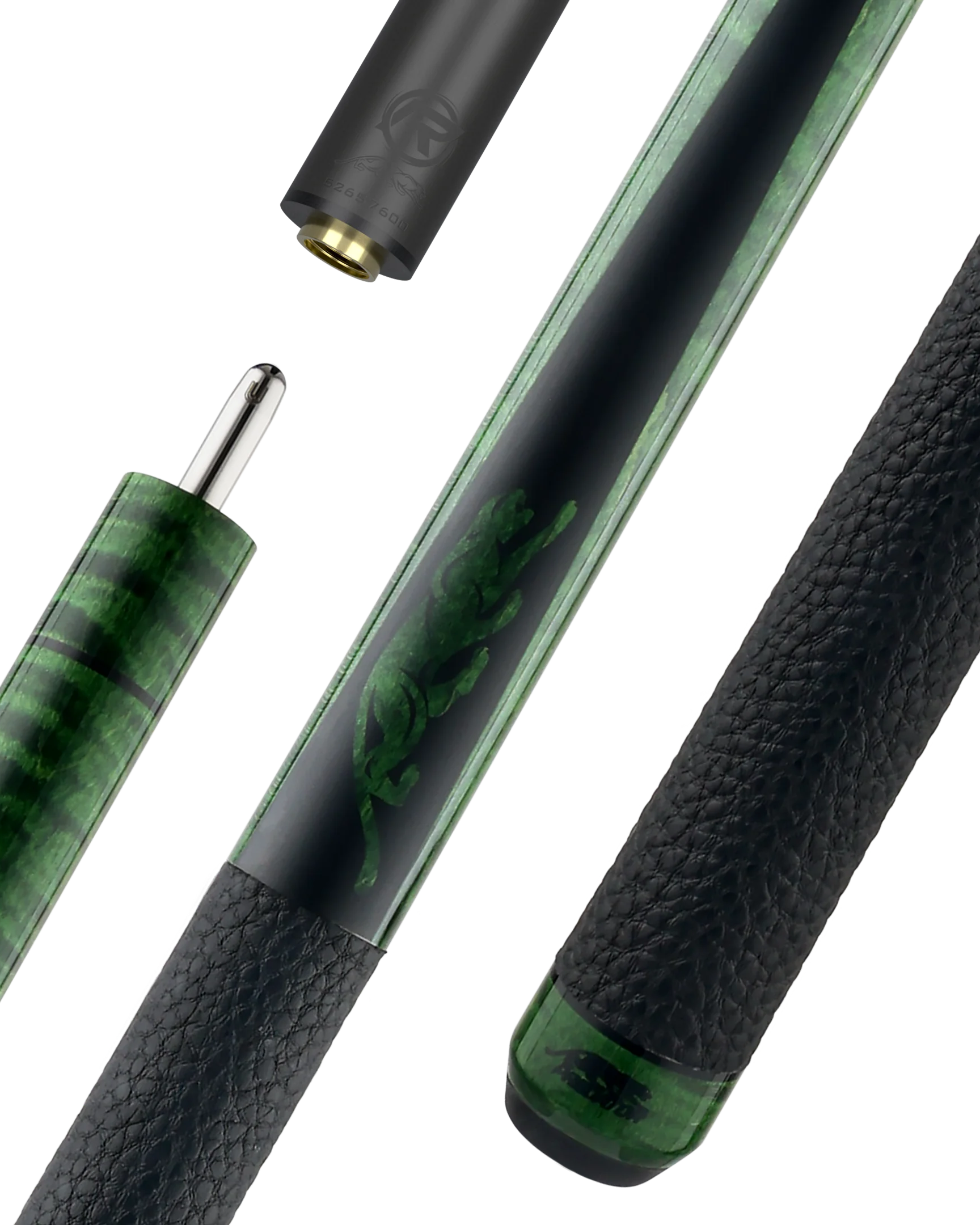
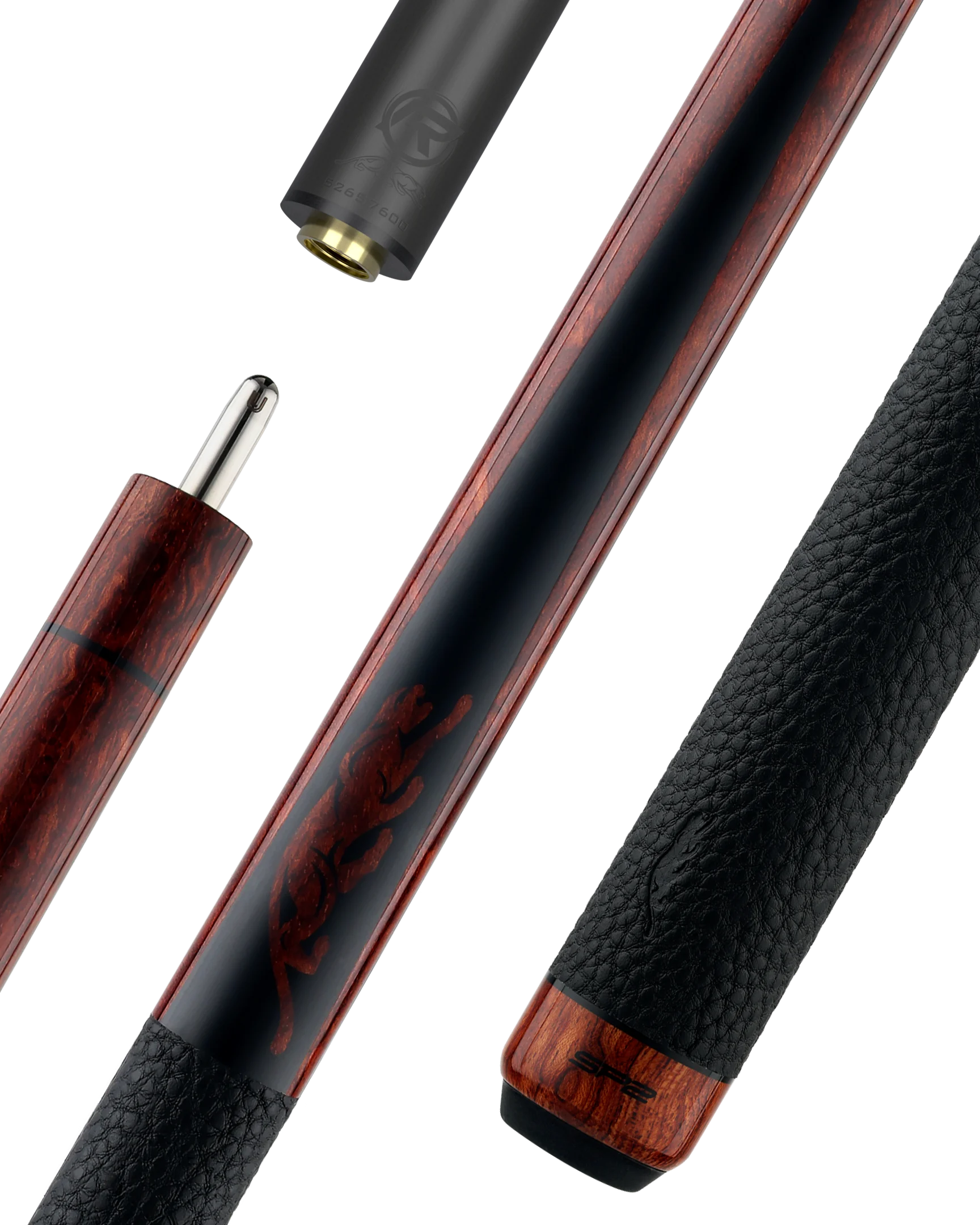
Every Predator pool cue pairs with your choice of low-deflection shaft — 314-3, Z-3, Vantage, and Centro Hybrid maple, or REVO 11.8, 12.4, and 12.9 carbon fiber. These are the same pool sticks more than half of the world’s top-20 ranked professionals play with, and the low-deflection technology that wins championships also flattens the learning curve for intermediate and beginner players.
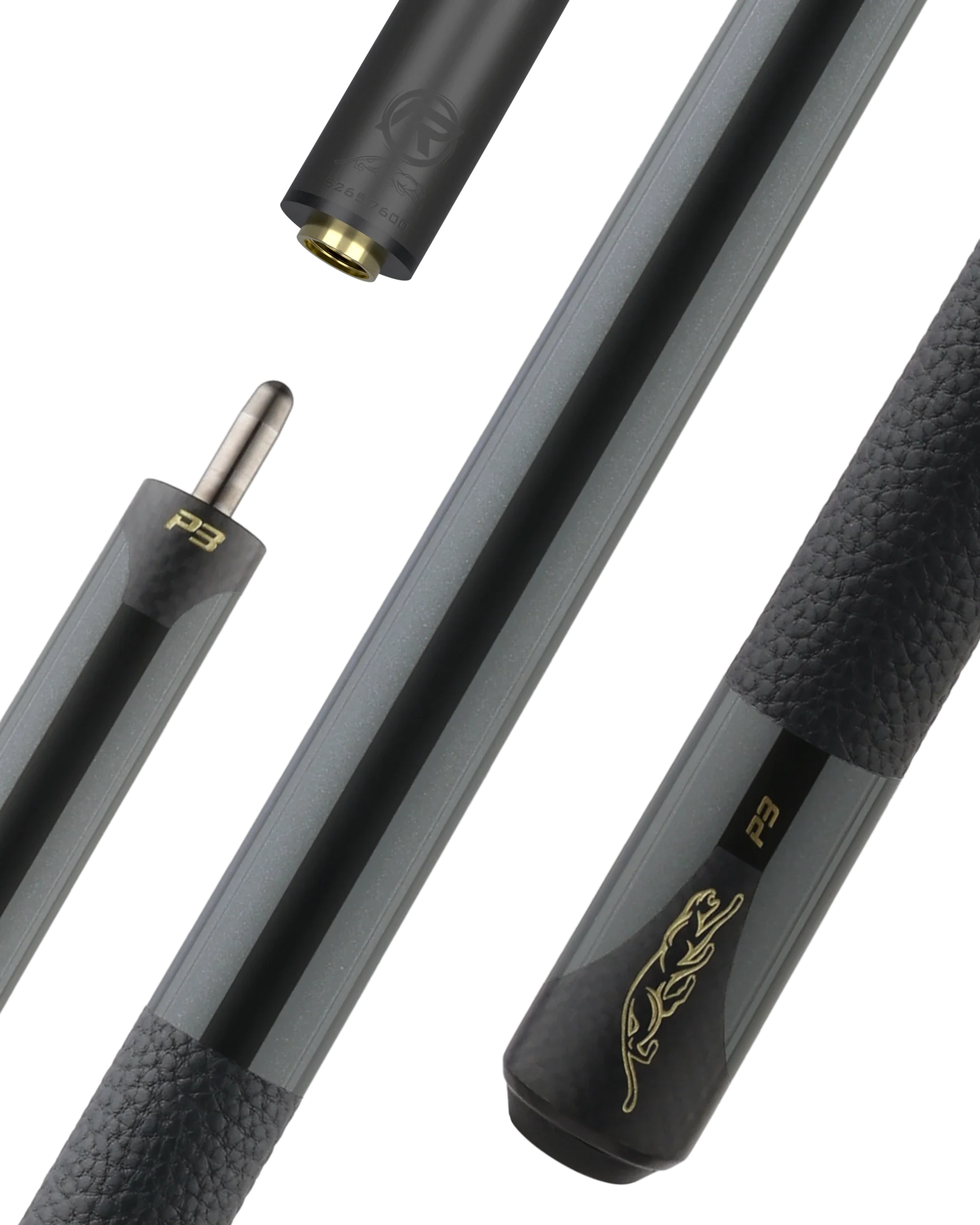
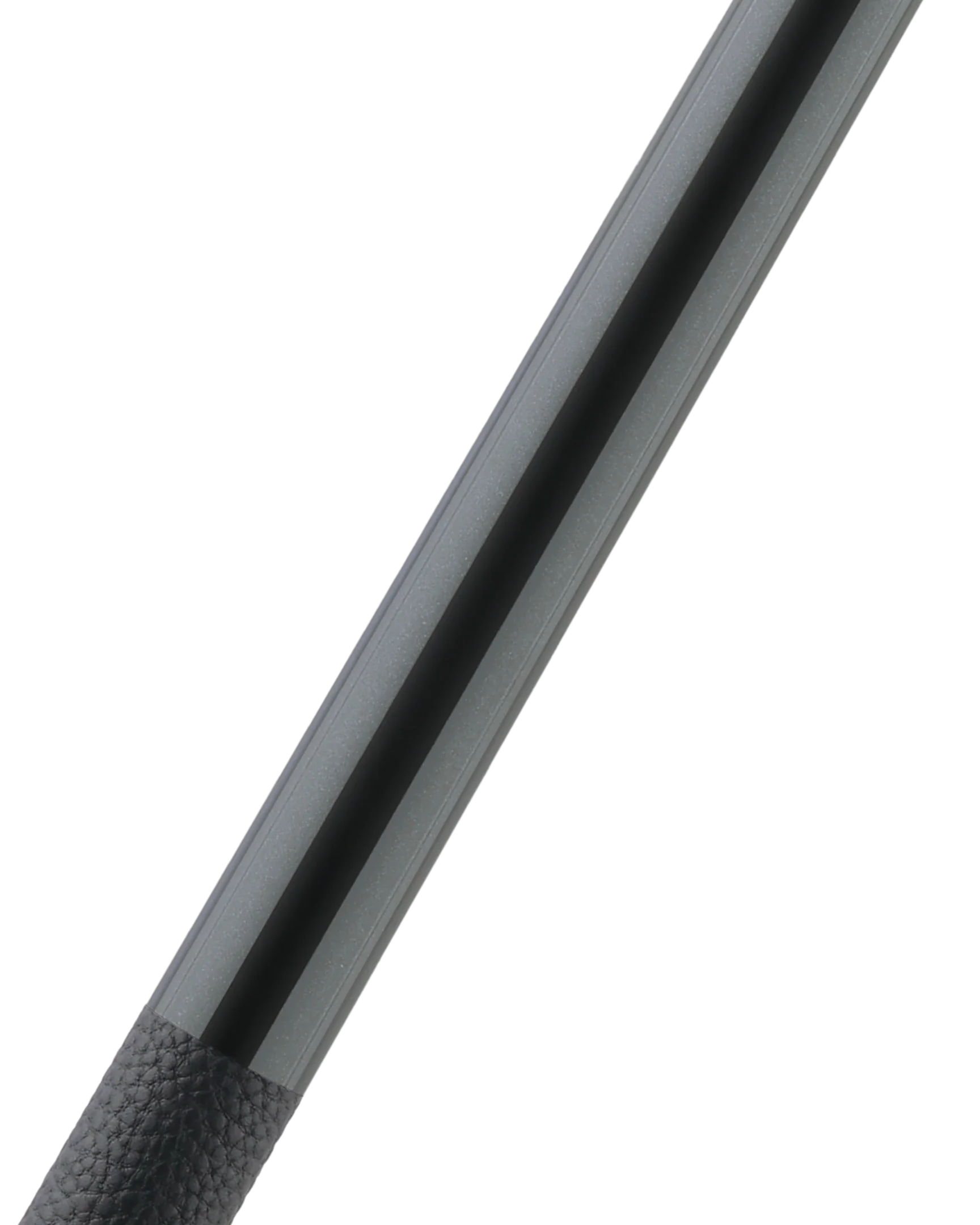
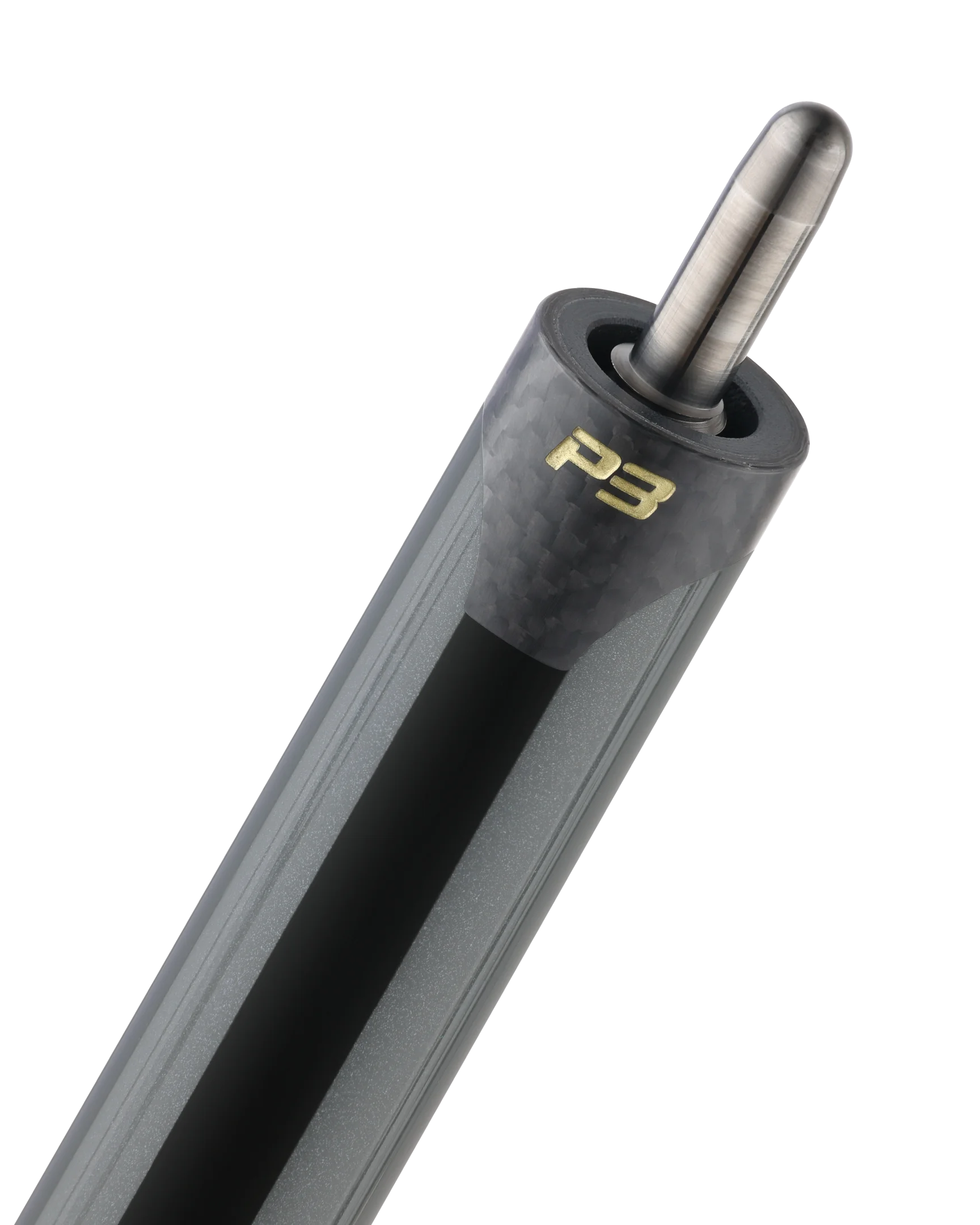
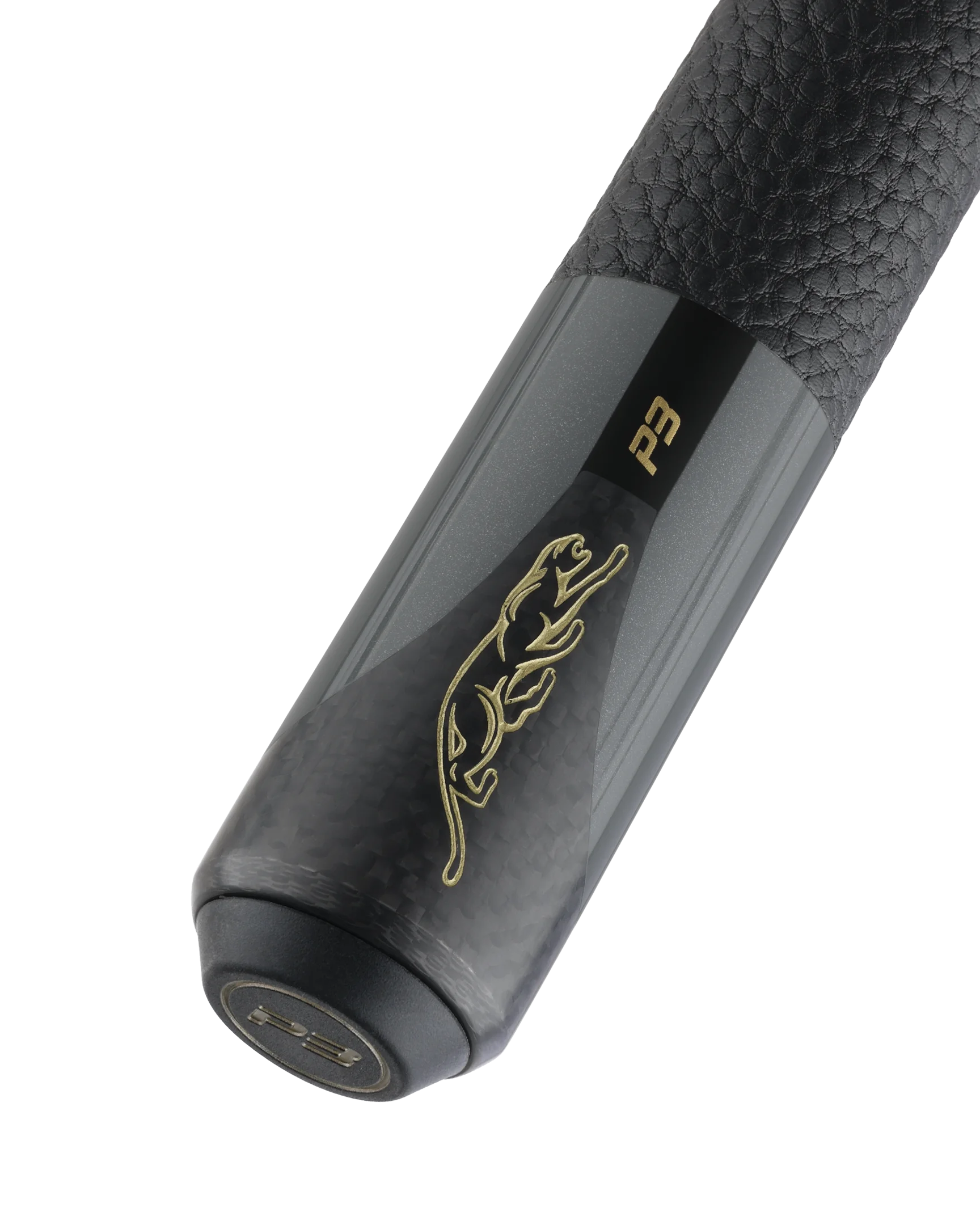
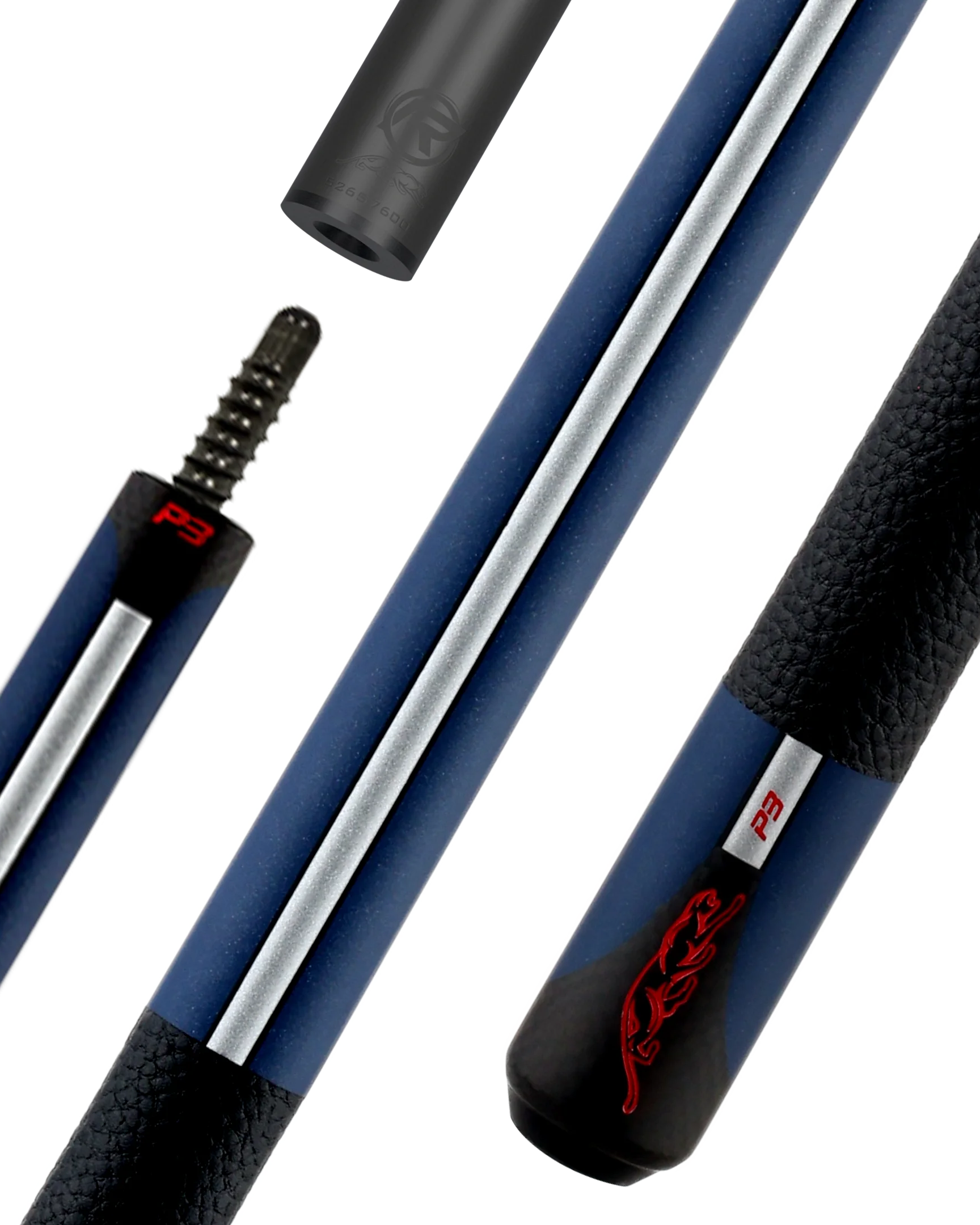
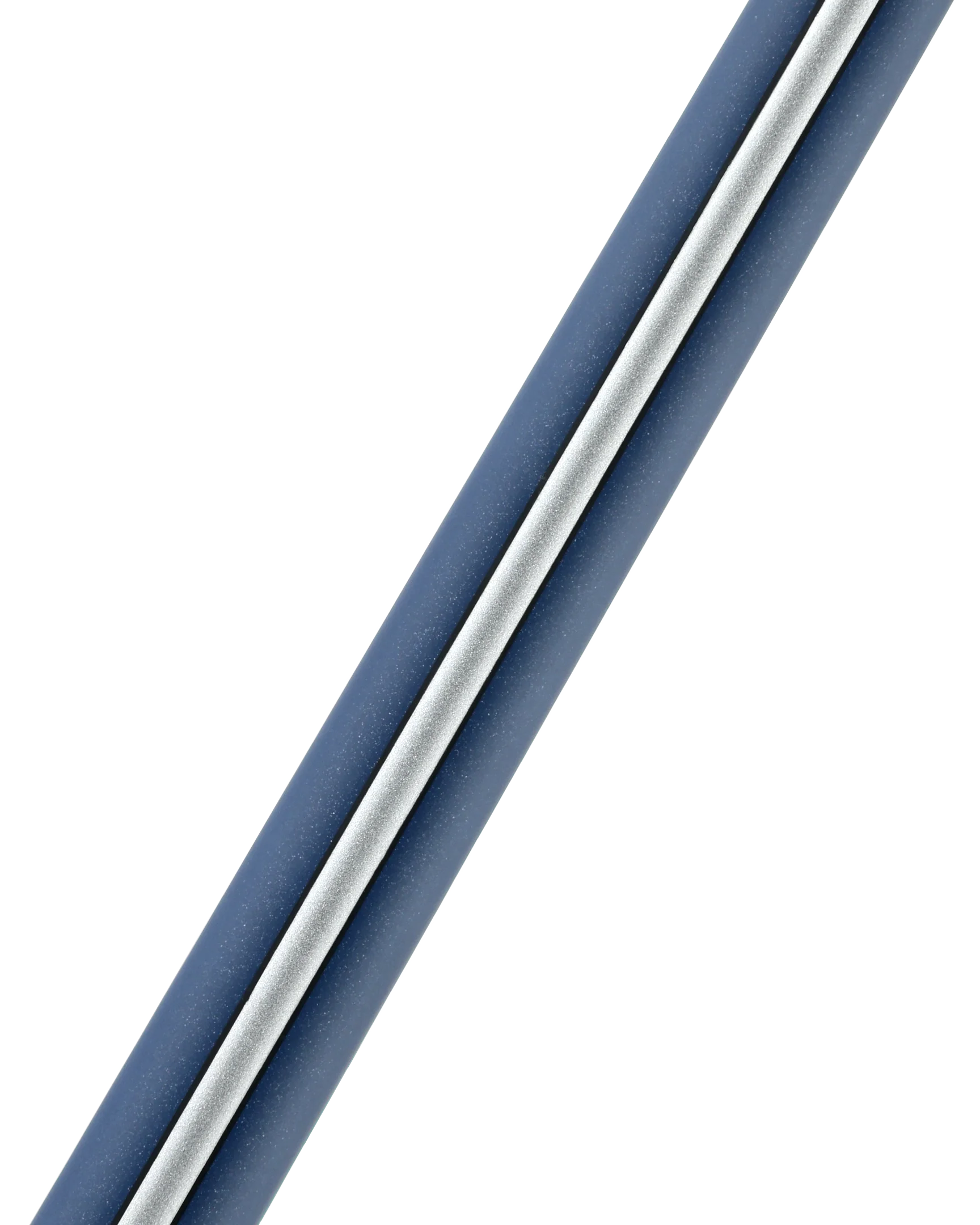
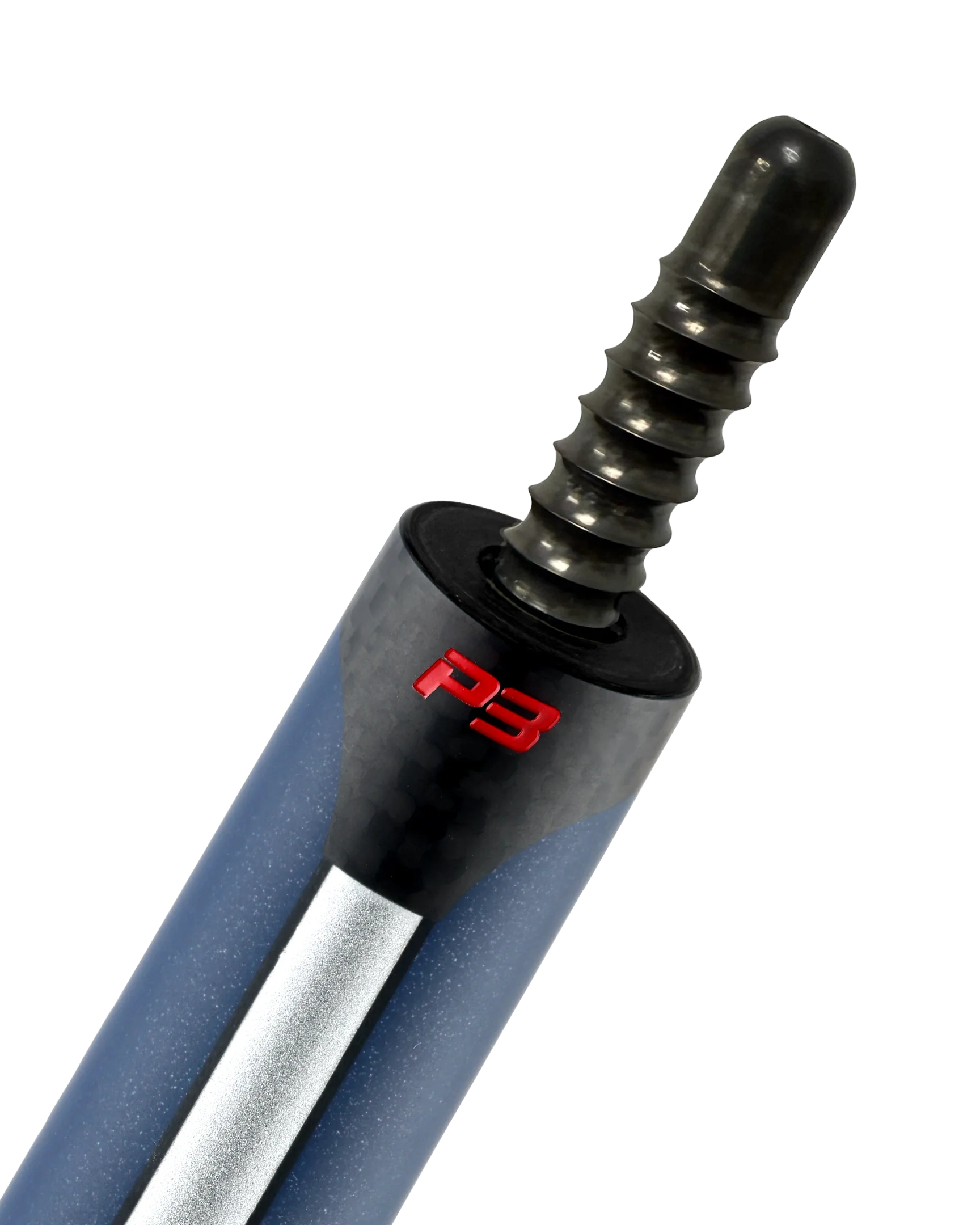
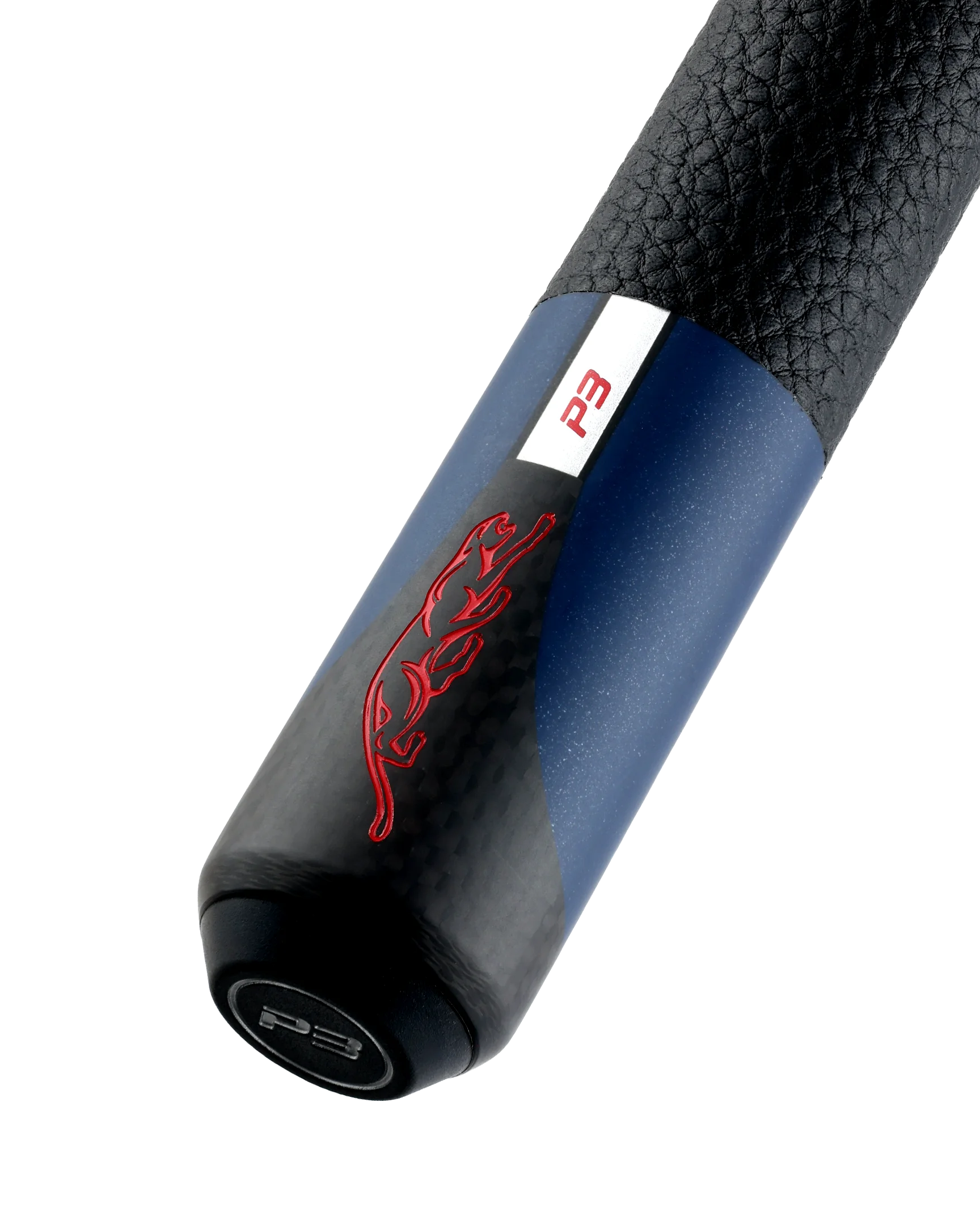
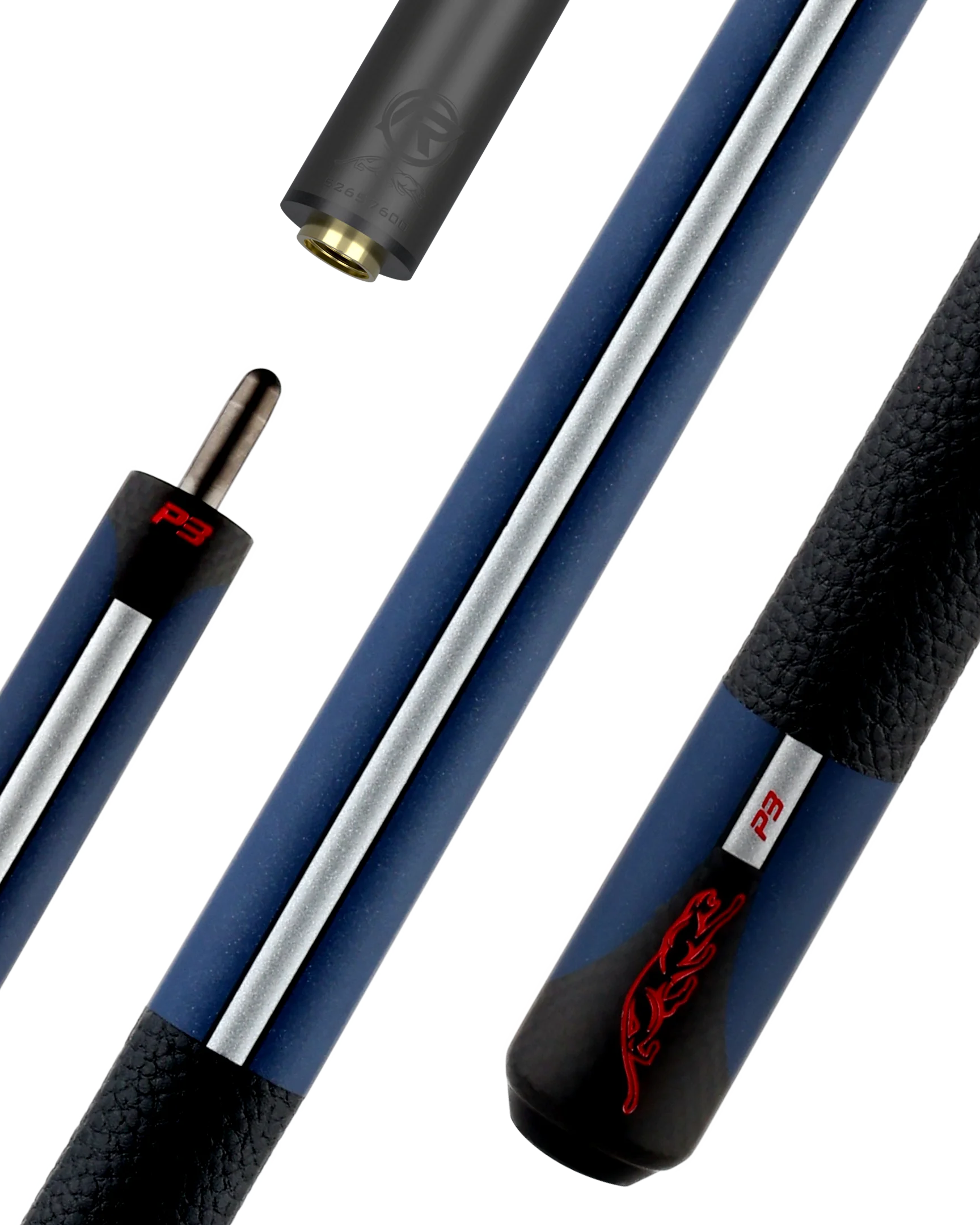
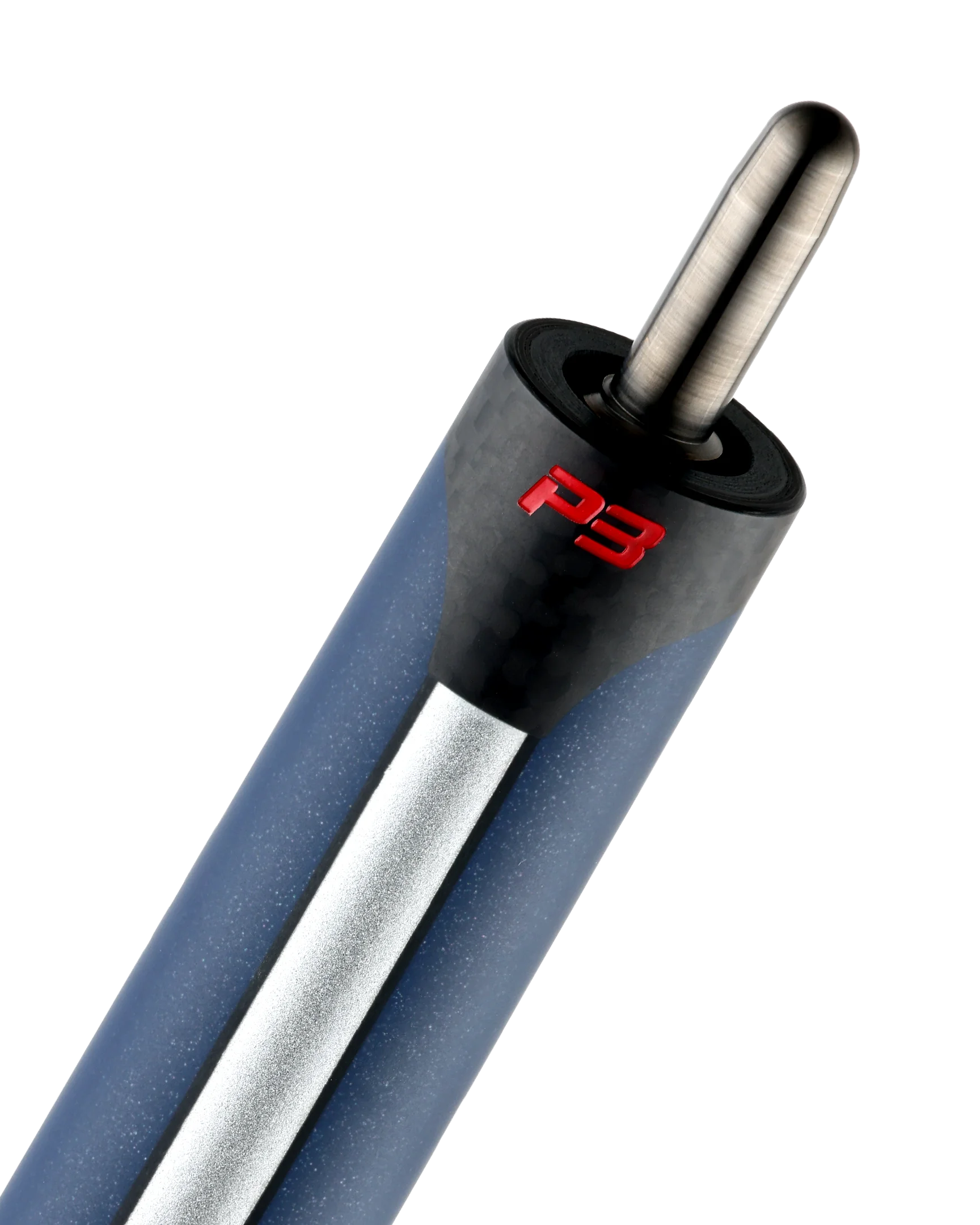
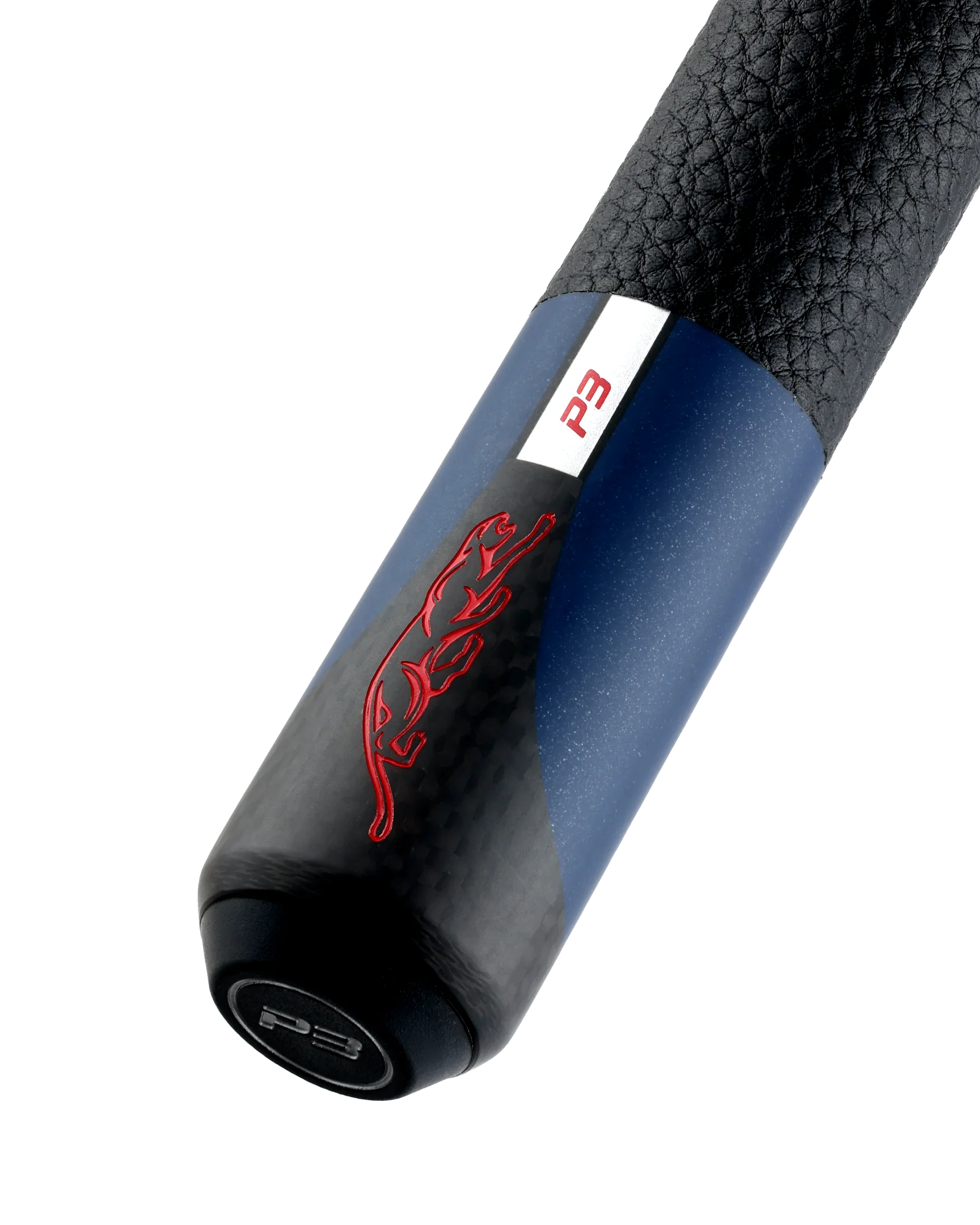
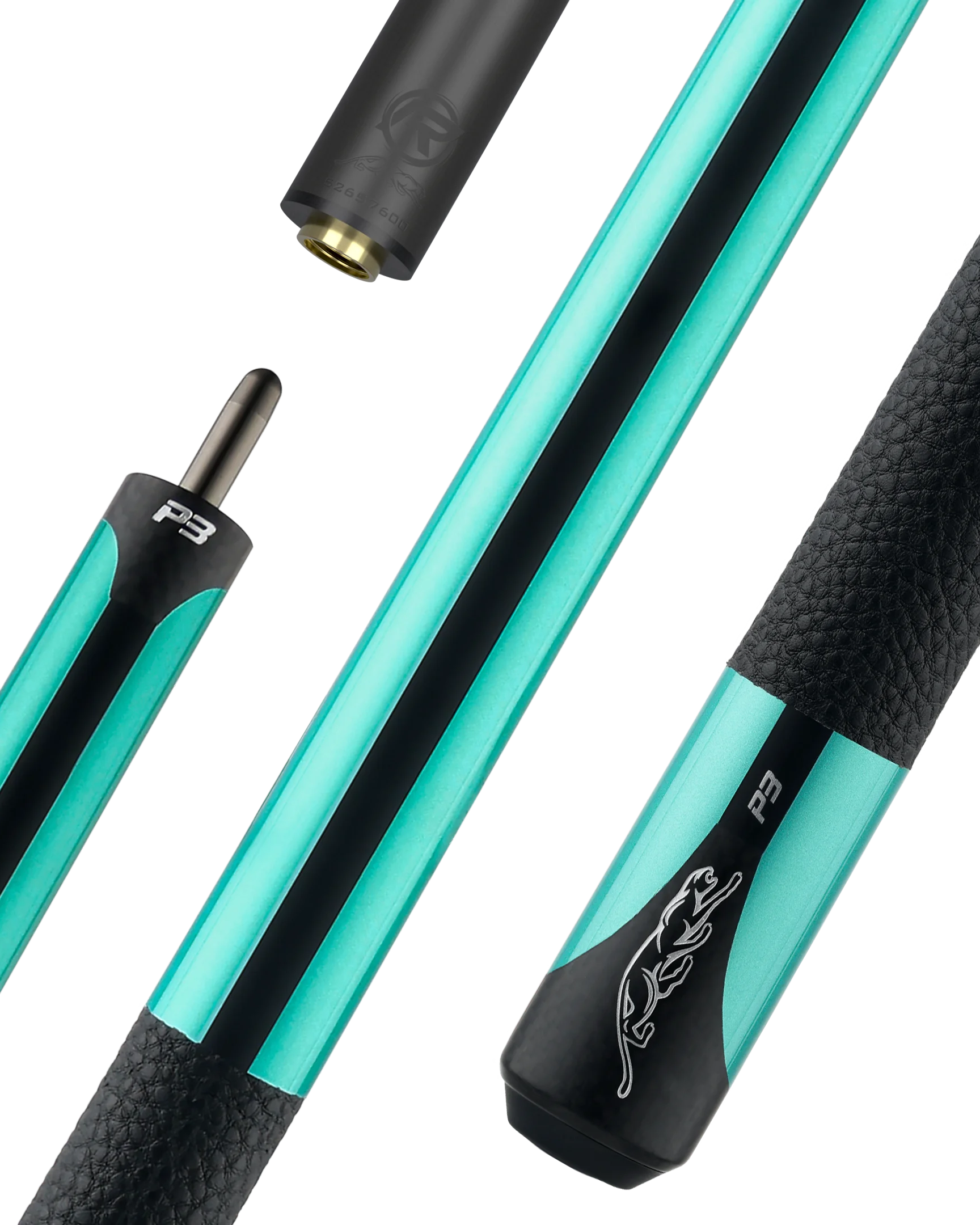
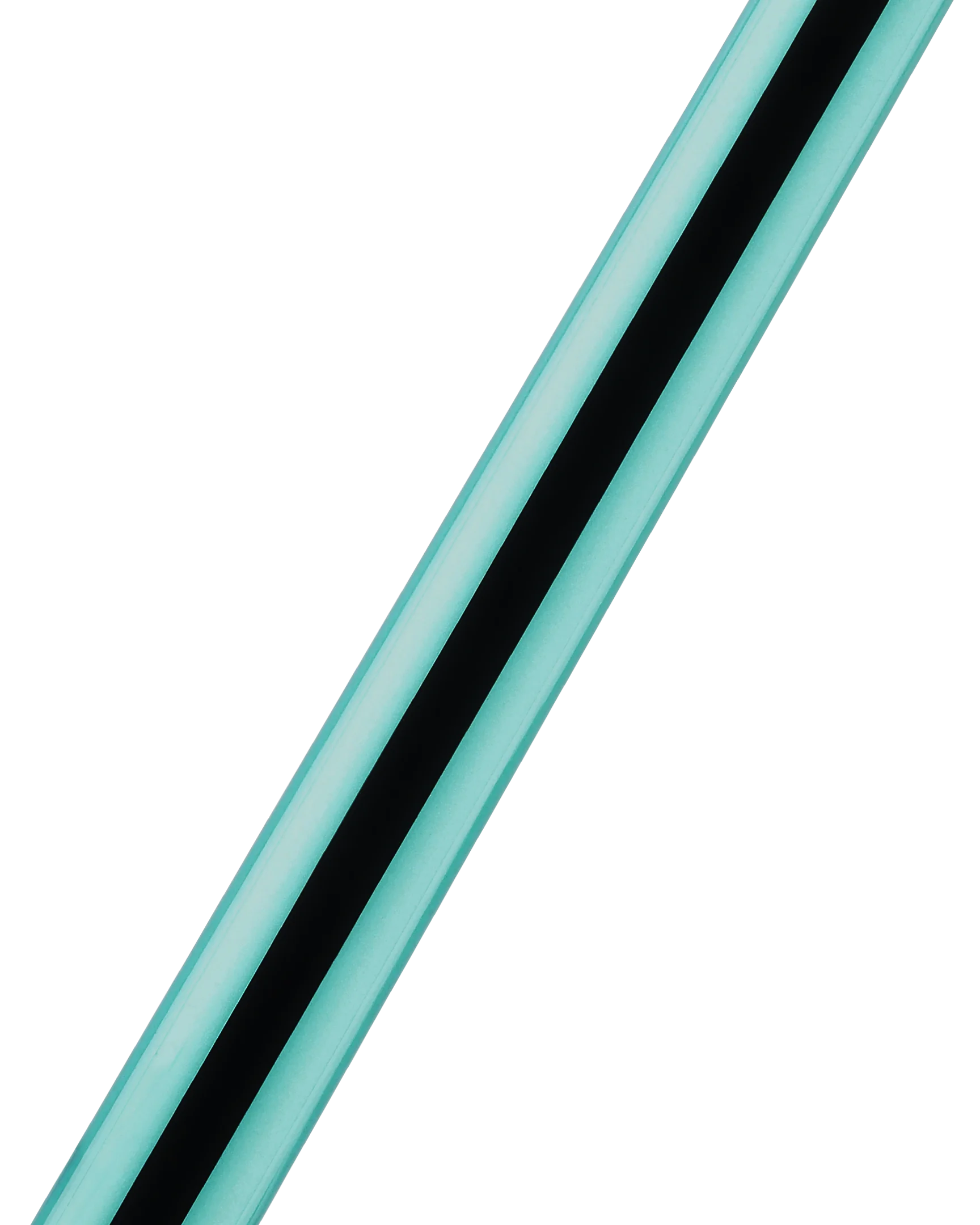
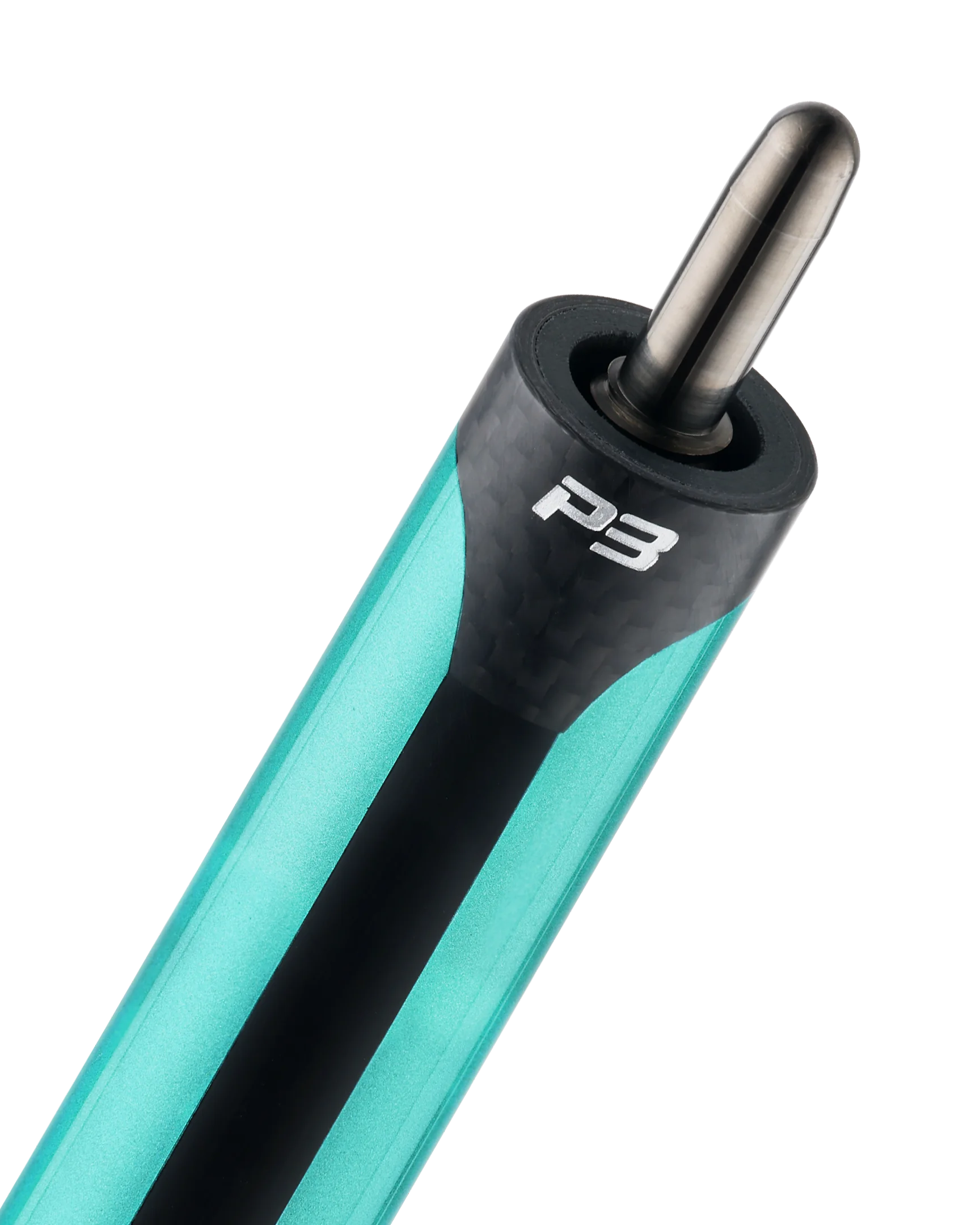
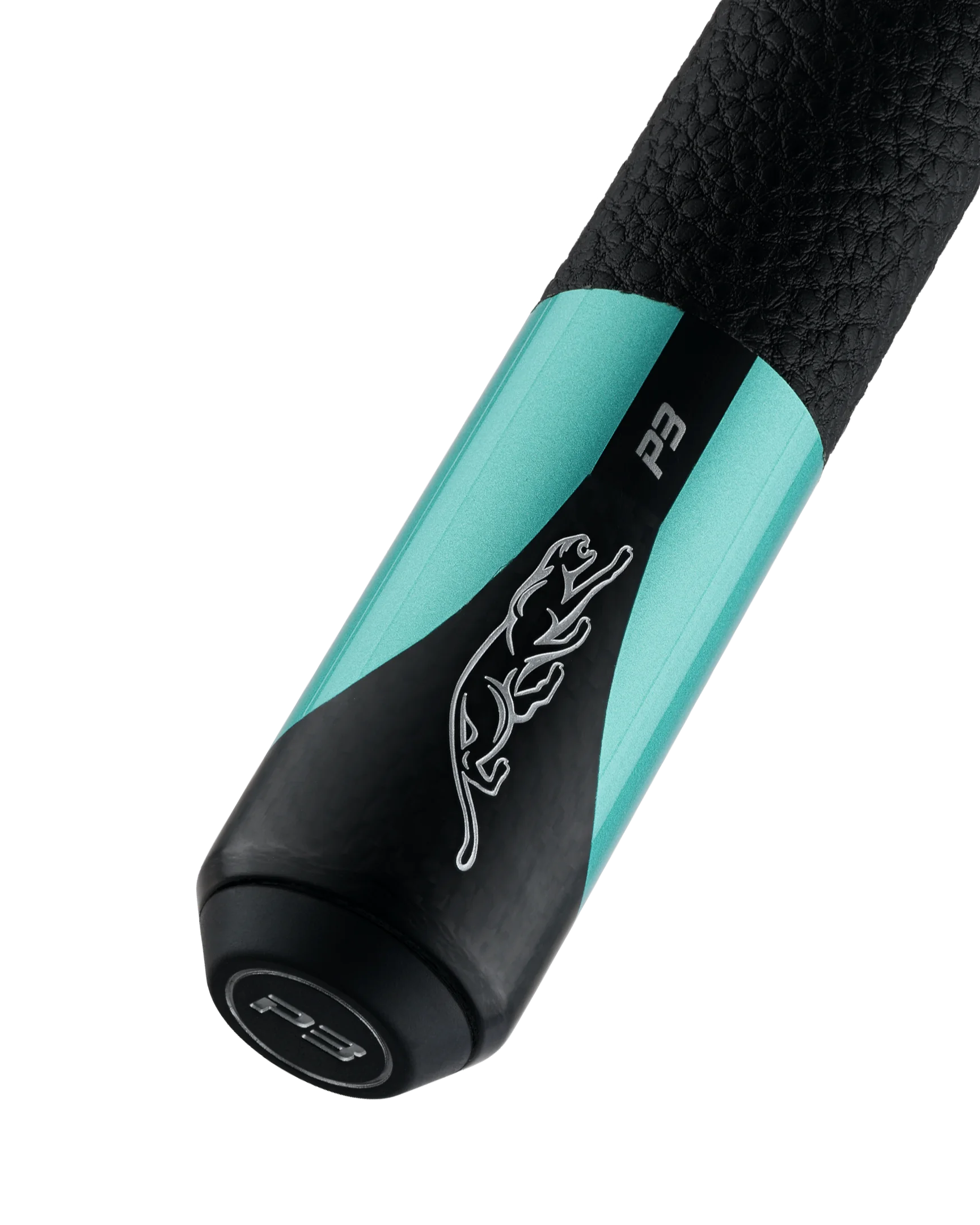
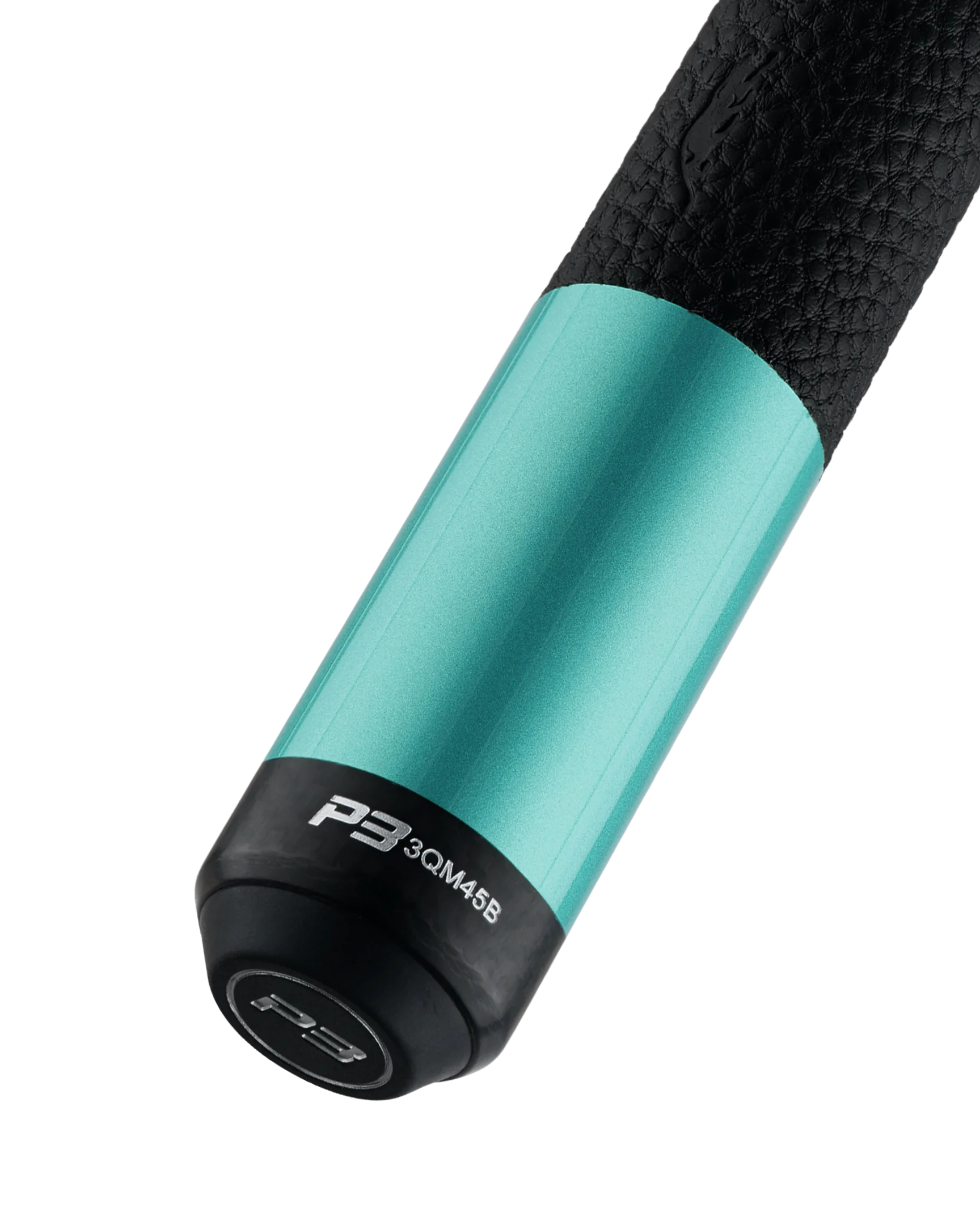
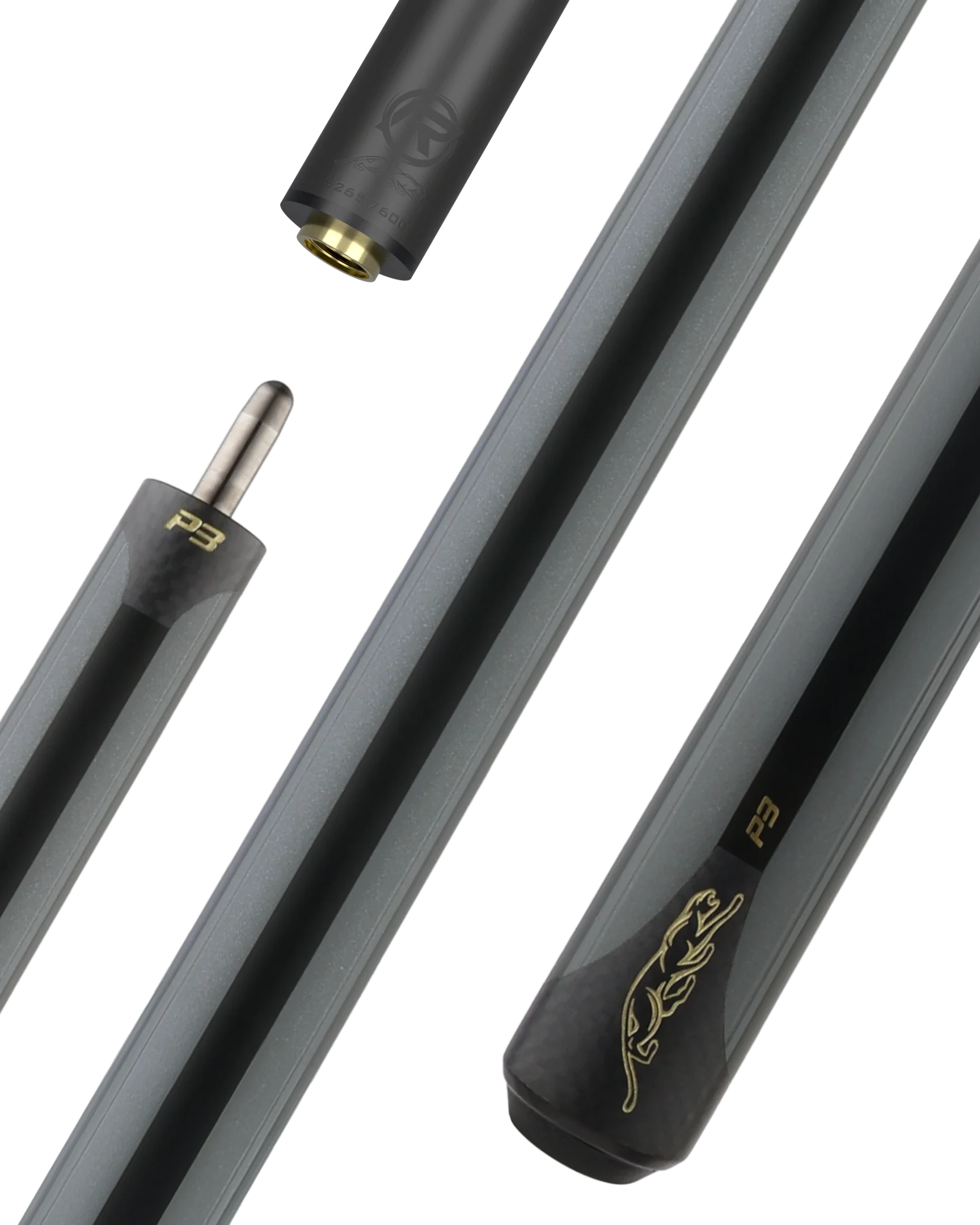
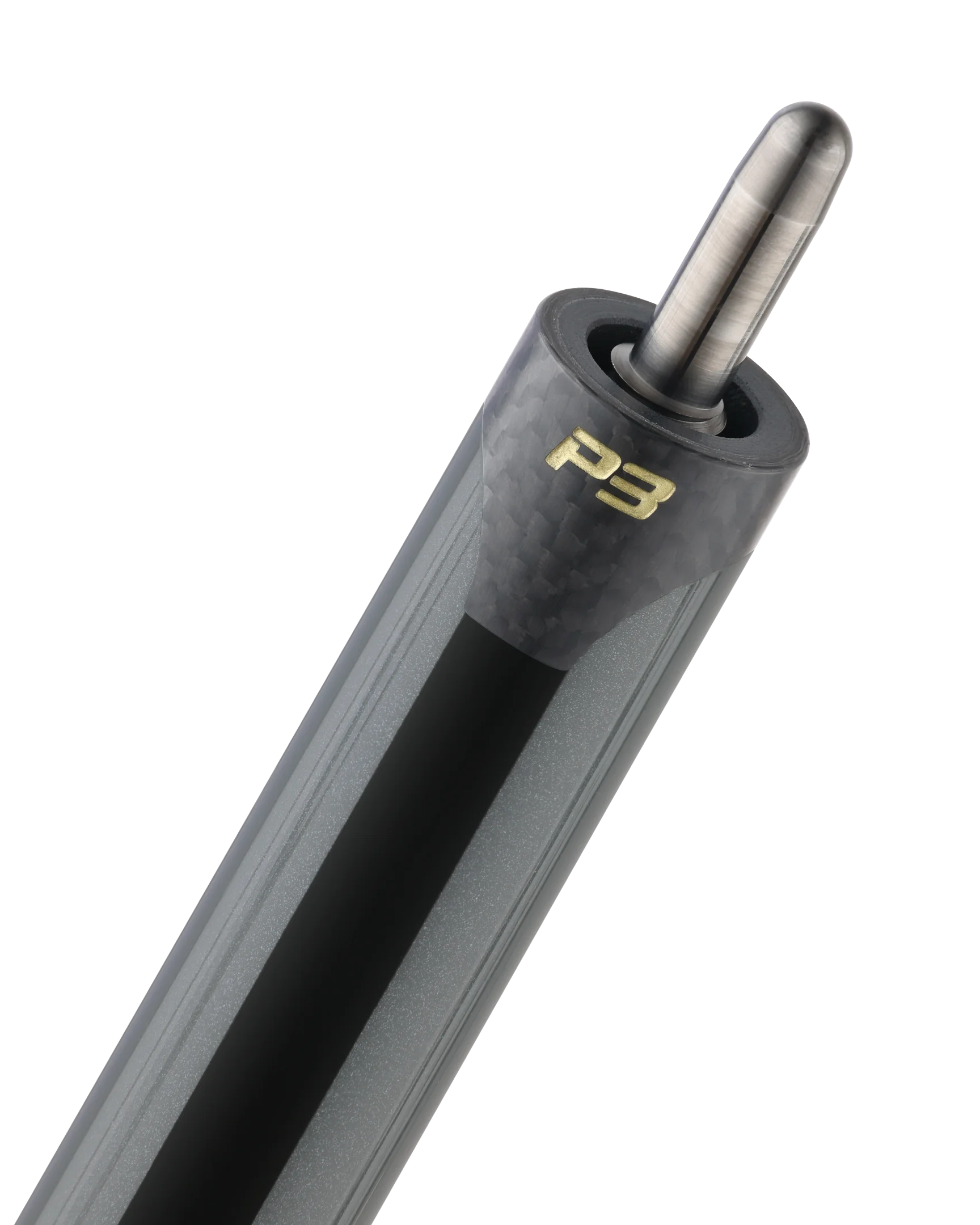
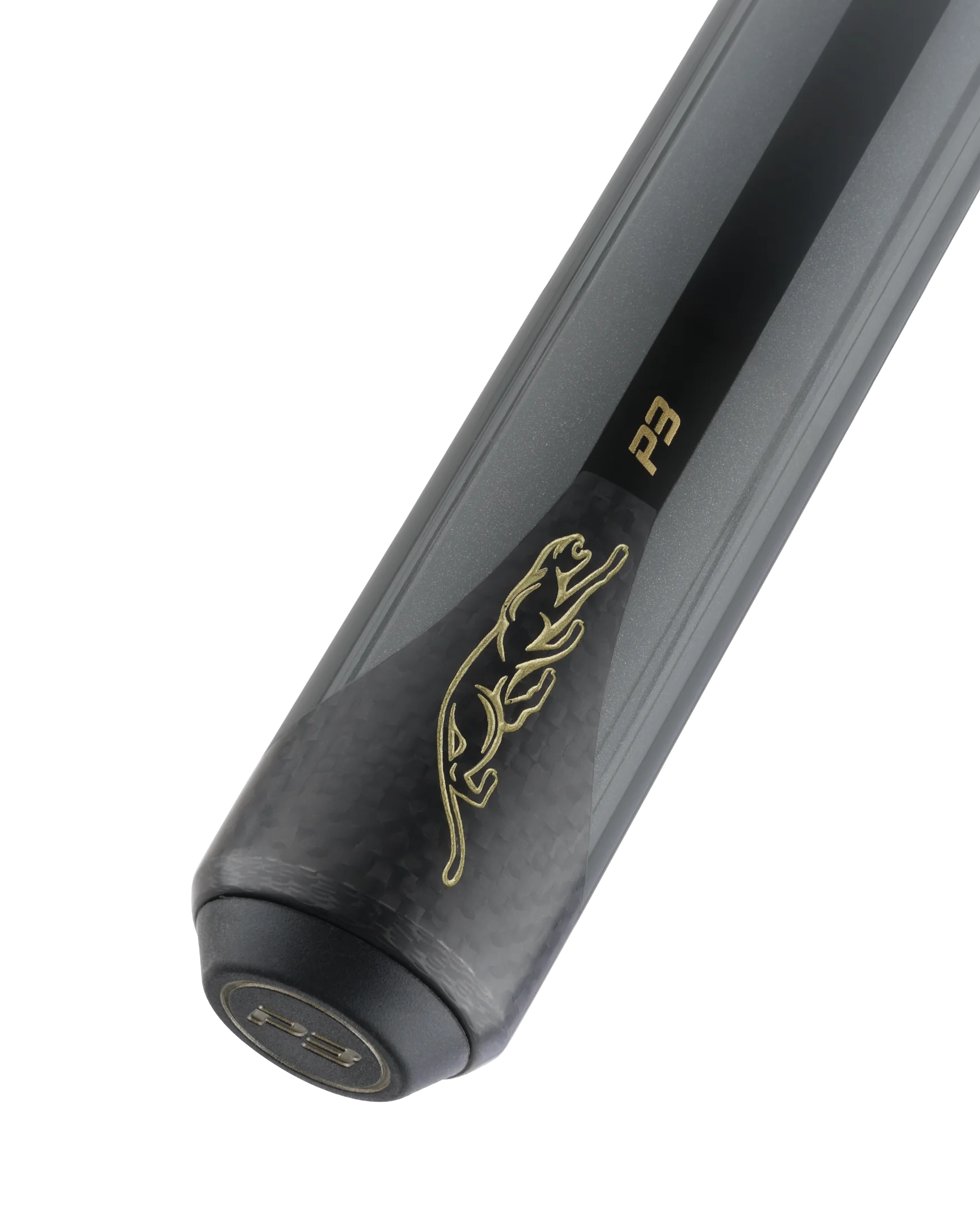
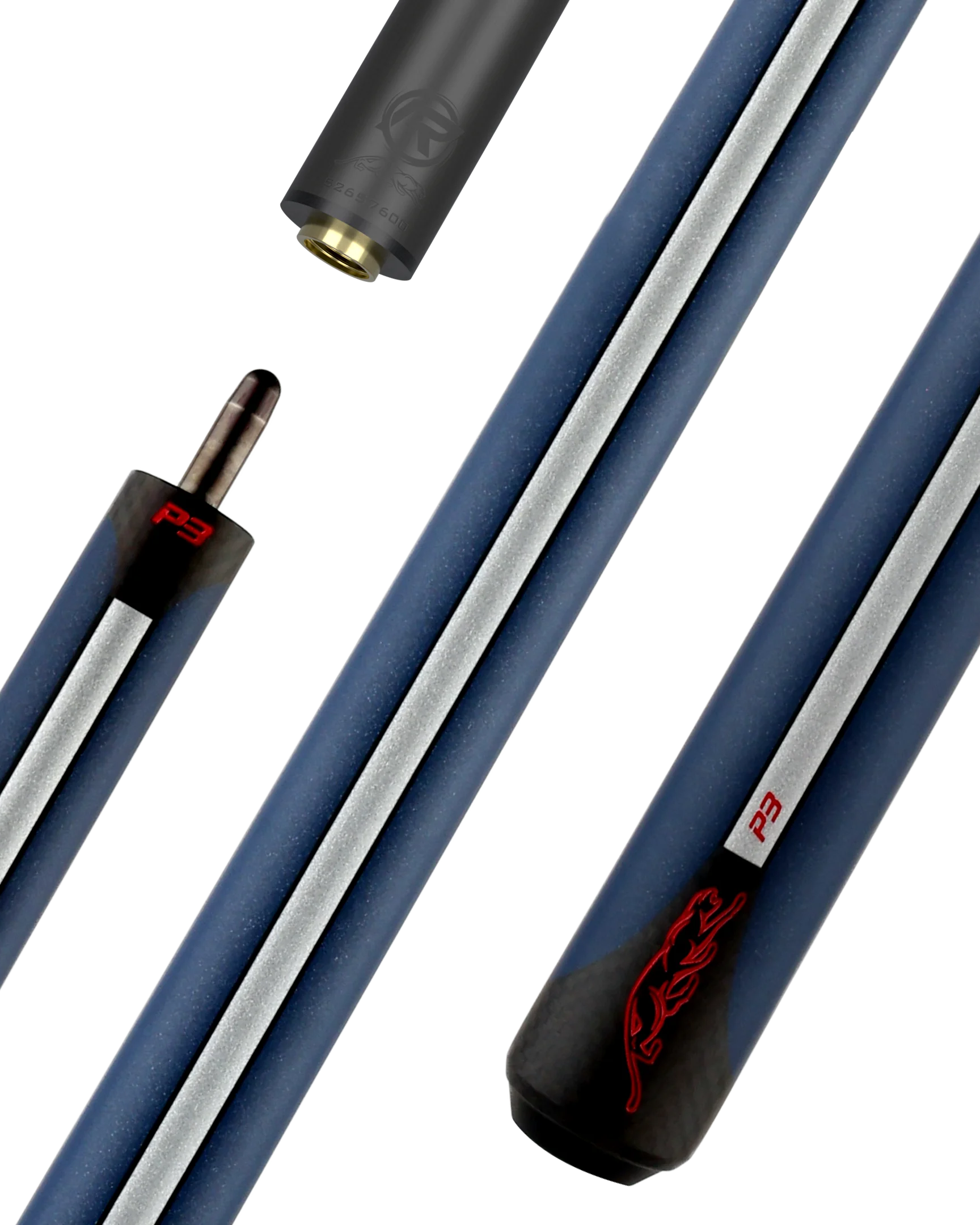
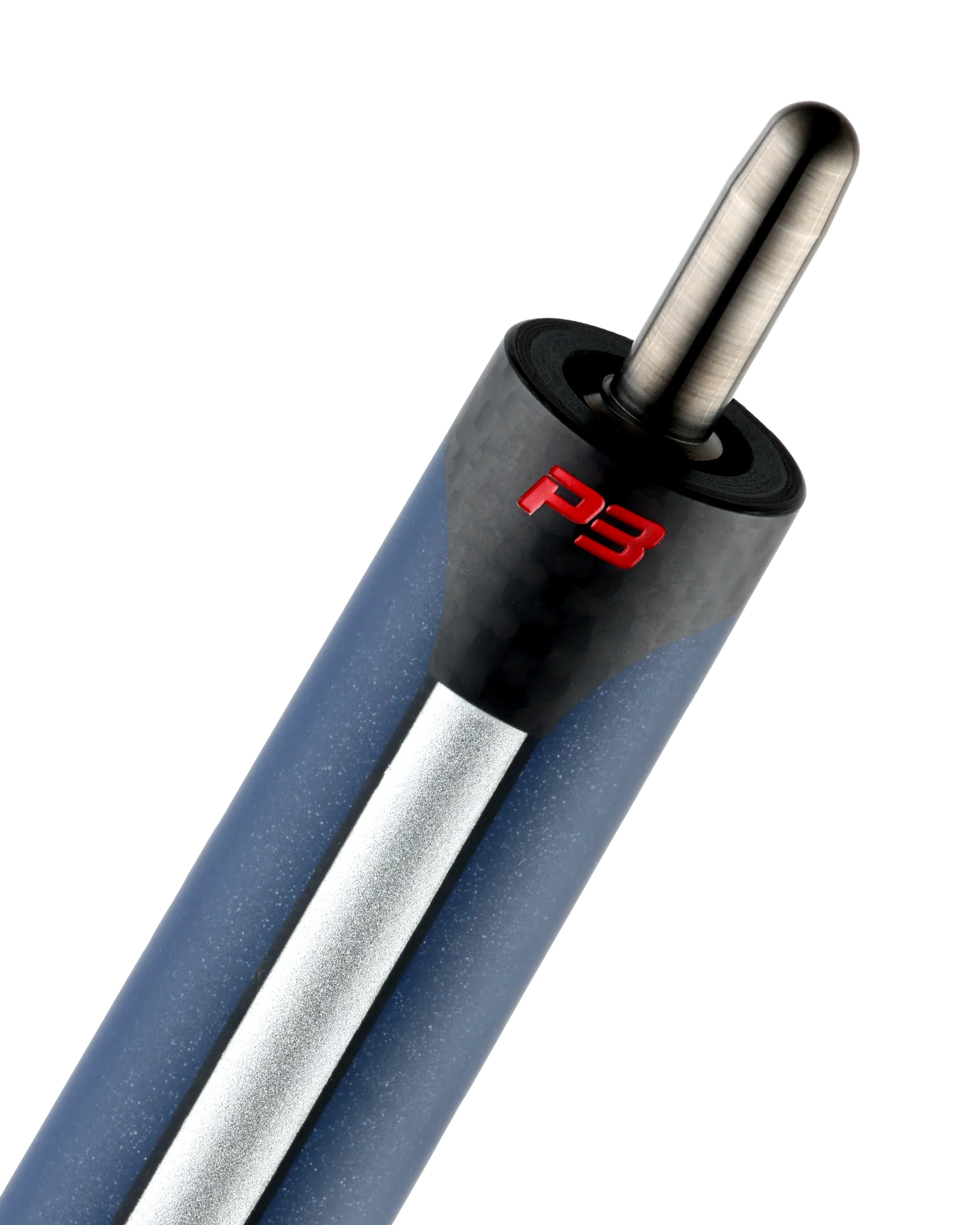
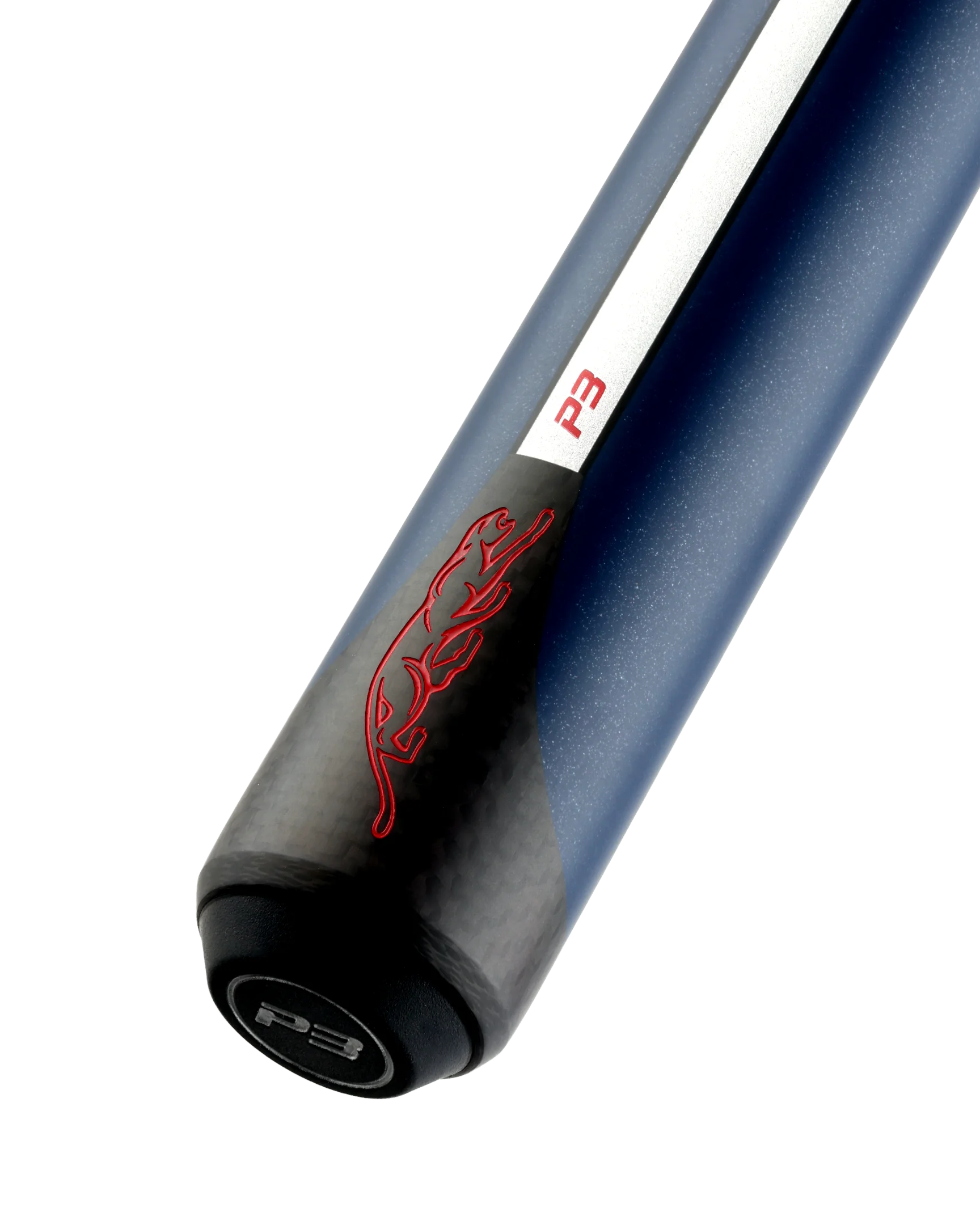
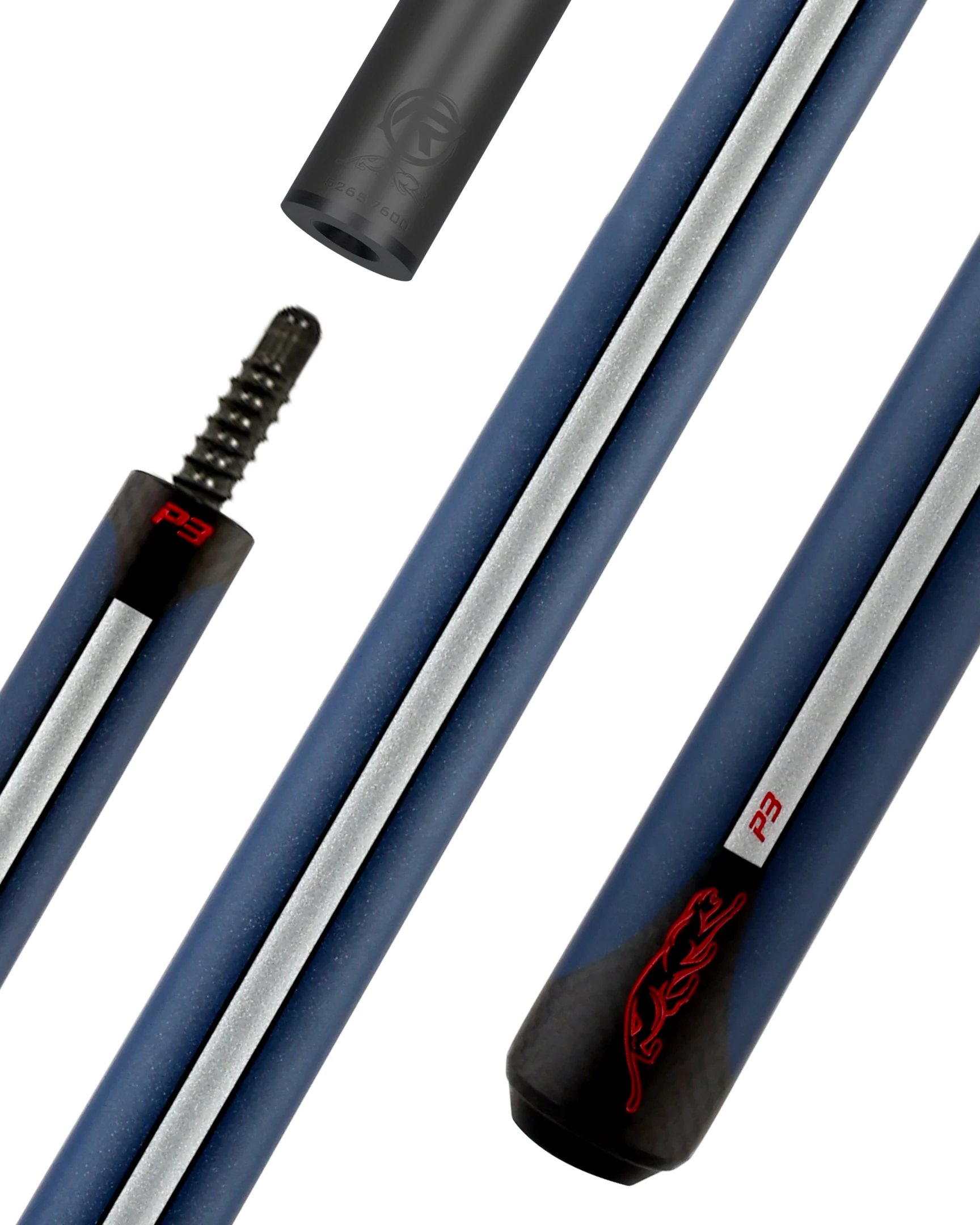
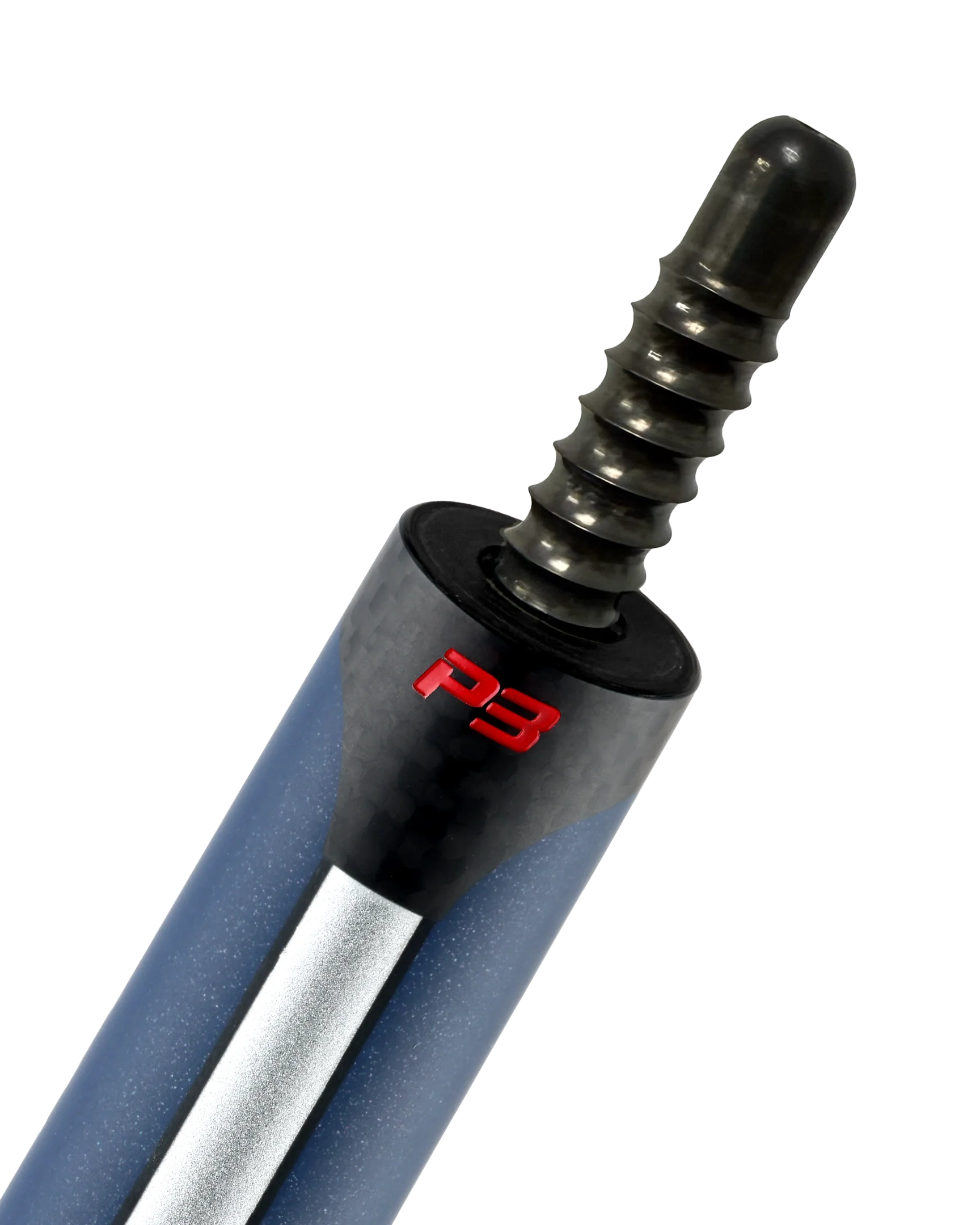
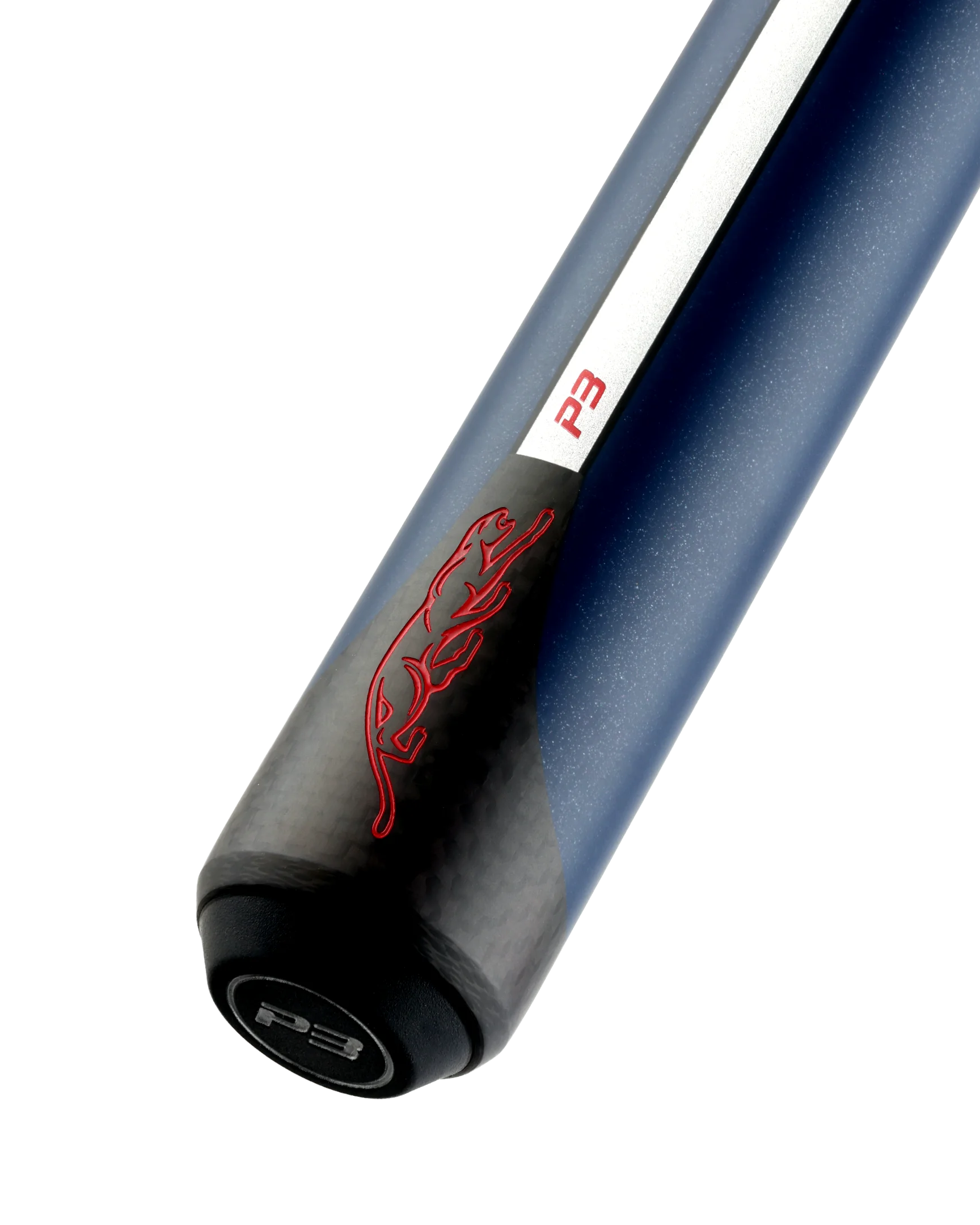
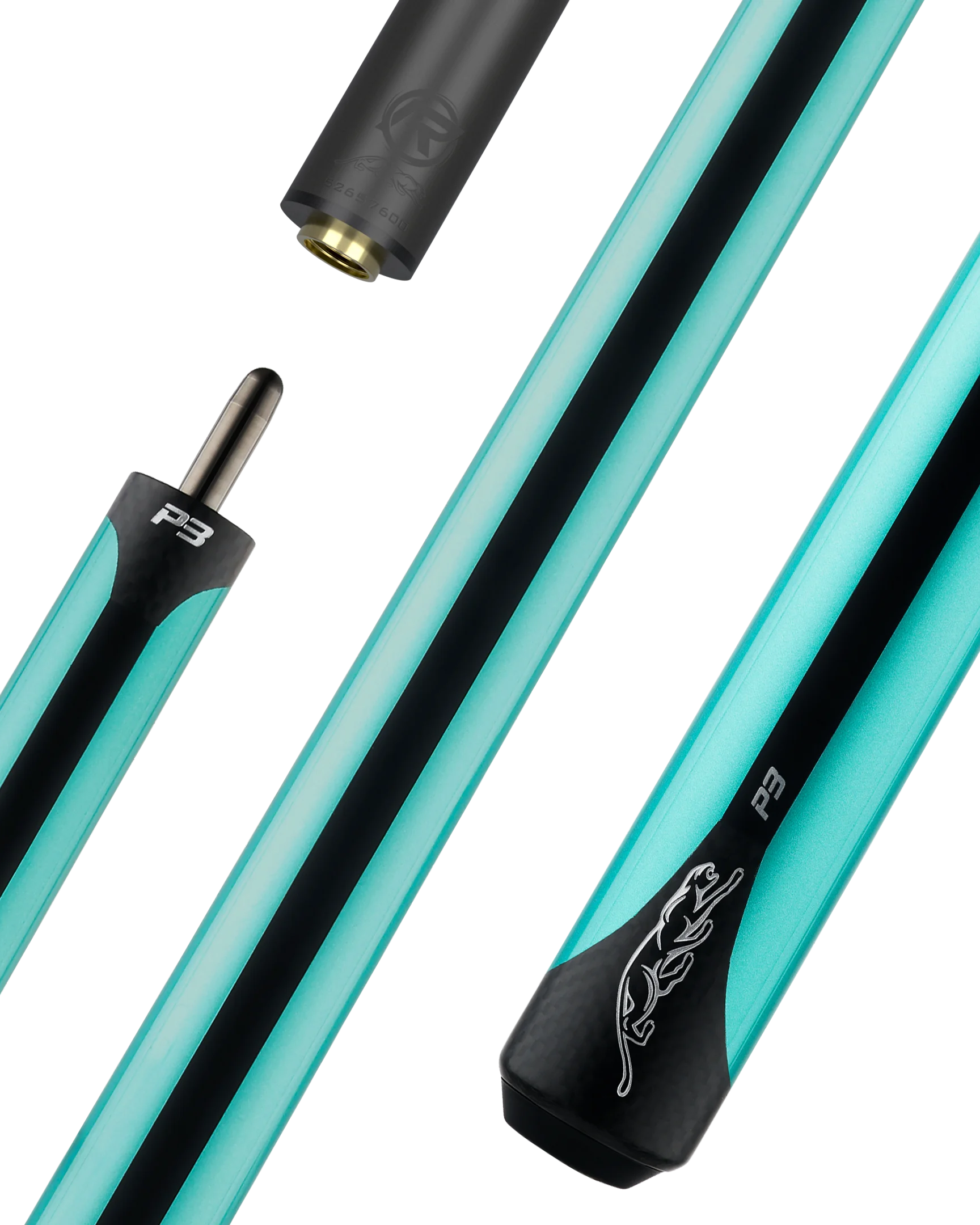
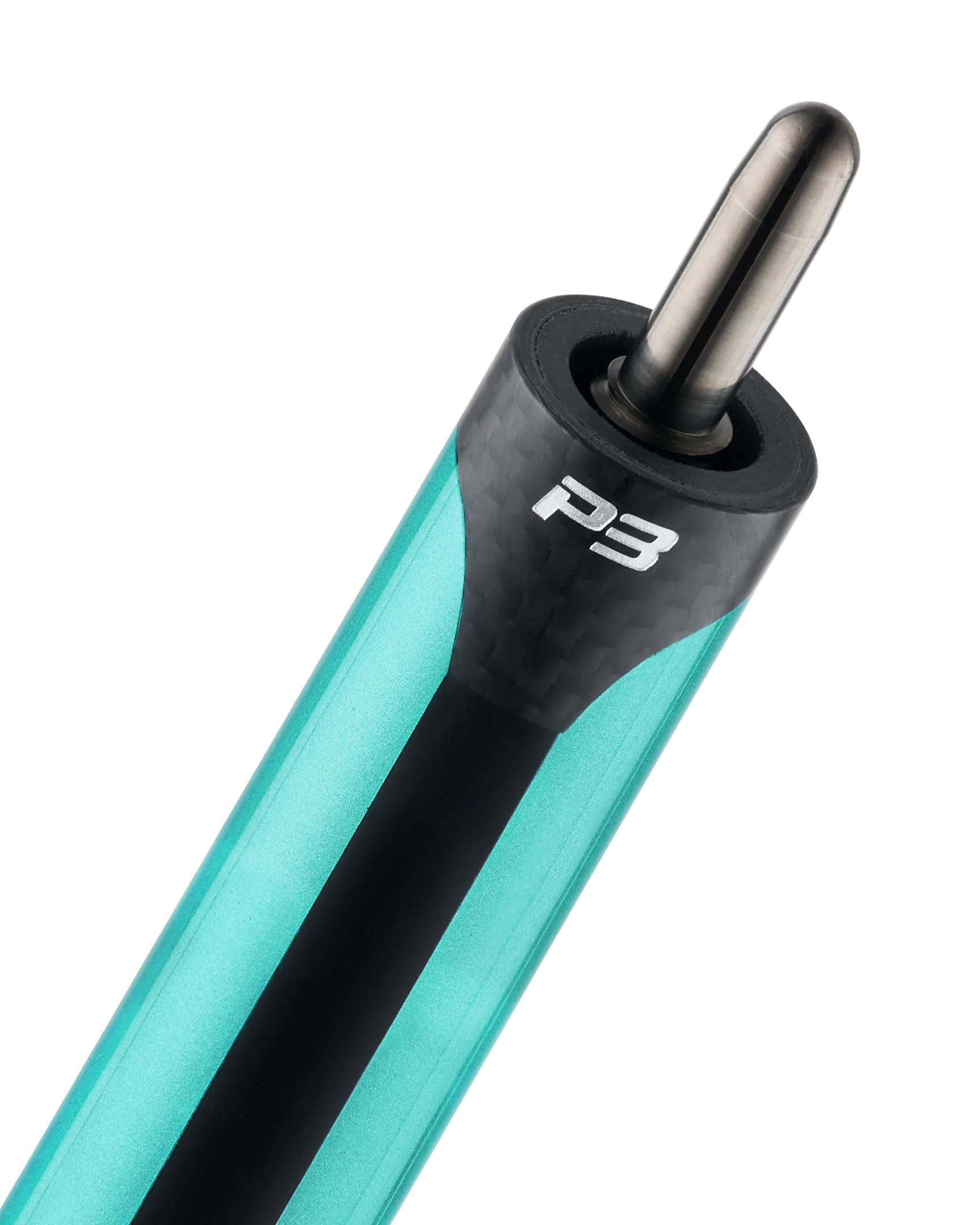
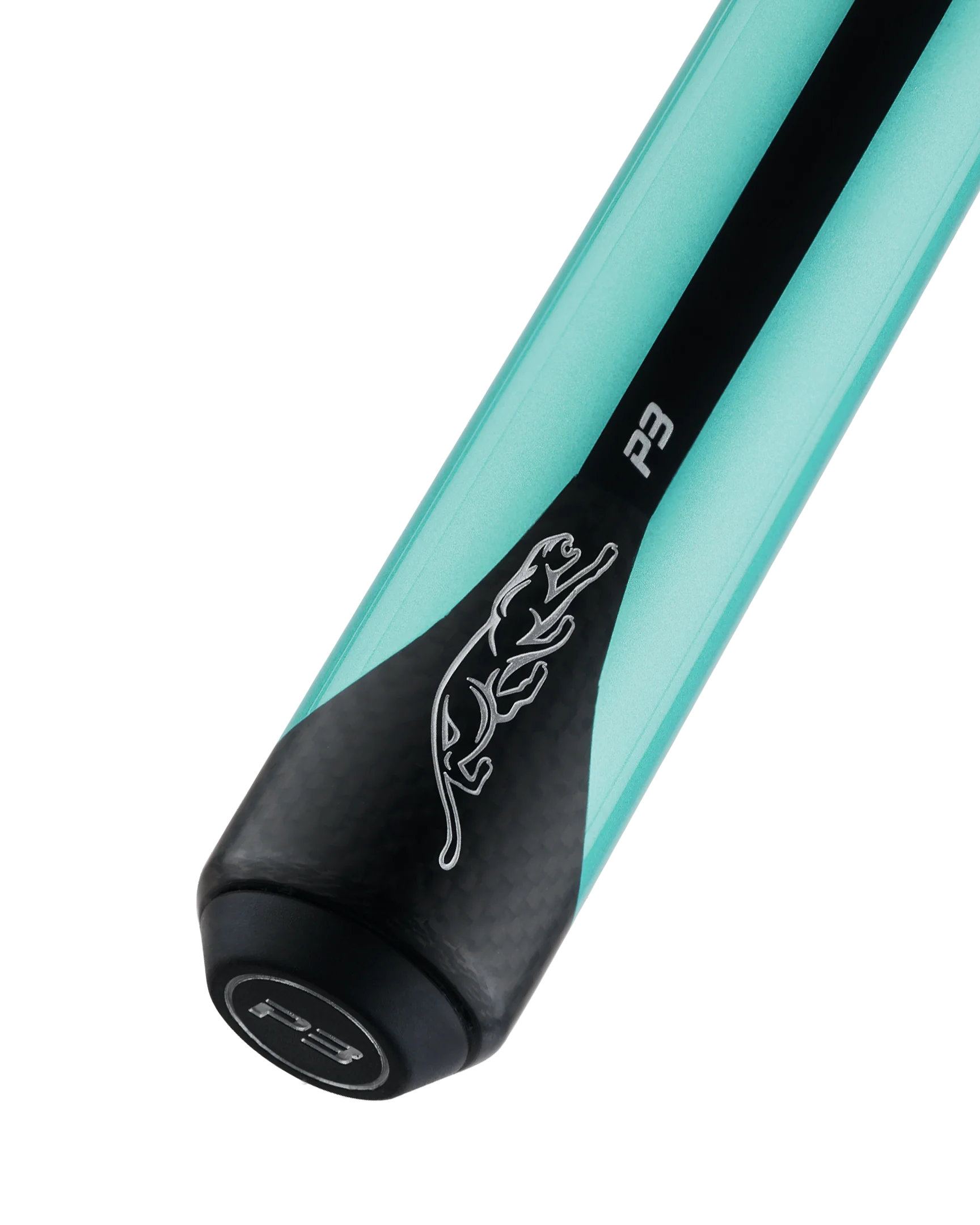
More than half of the top 20-ranked professional players use Predator pool sticks. Browse by how you play: our Carbon Fiber Shaft pool cue lineup delivers the most consistent low-deflection performance, ultimate in low-deflection consistency, or explore individual lines like Blak, P3, and 10K. New to Predator? The POISON Maelith and POISON Candy lines bring the same low-deflection engineering to beginner and intermediate price points.












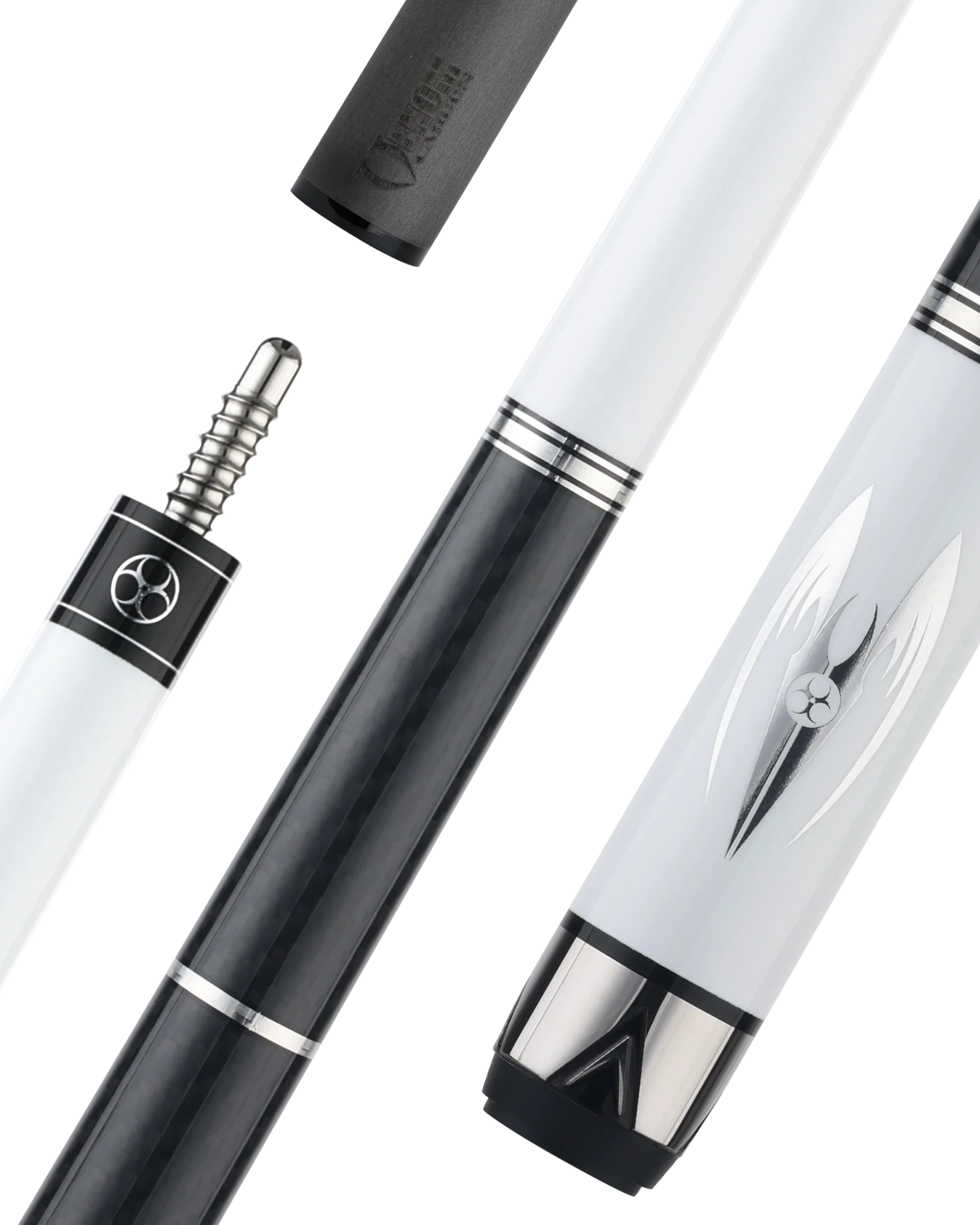
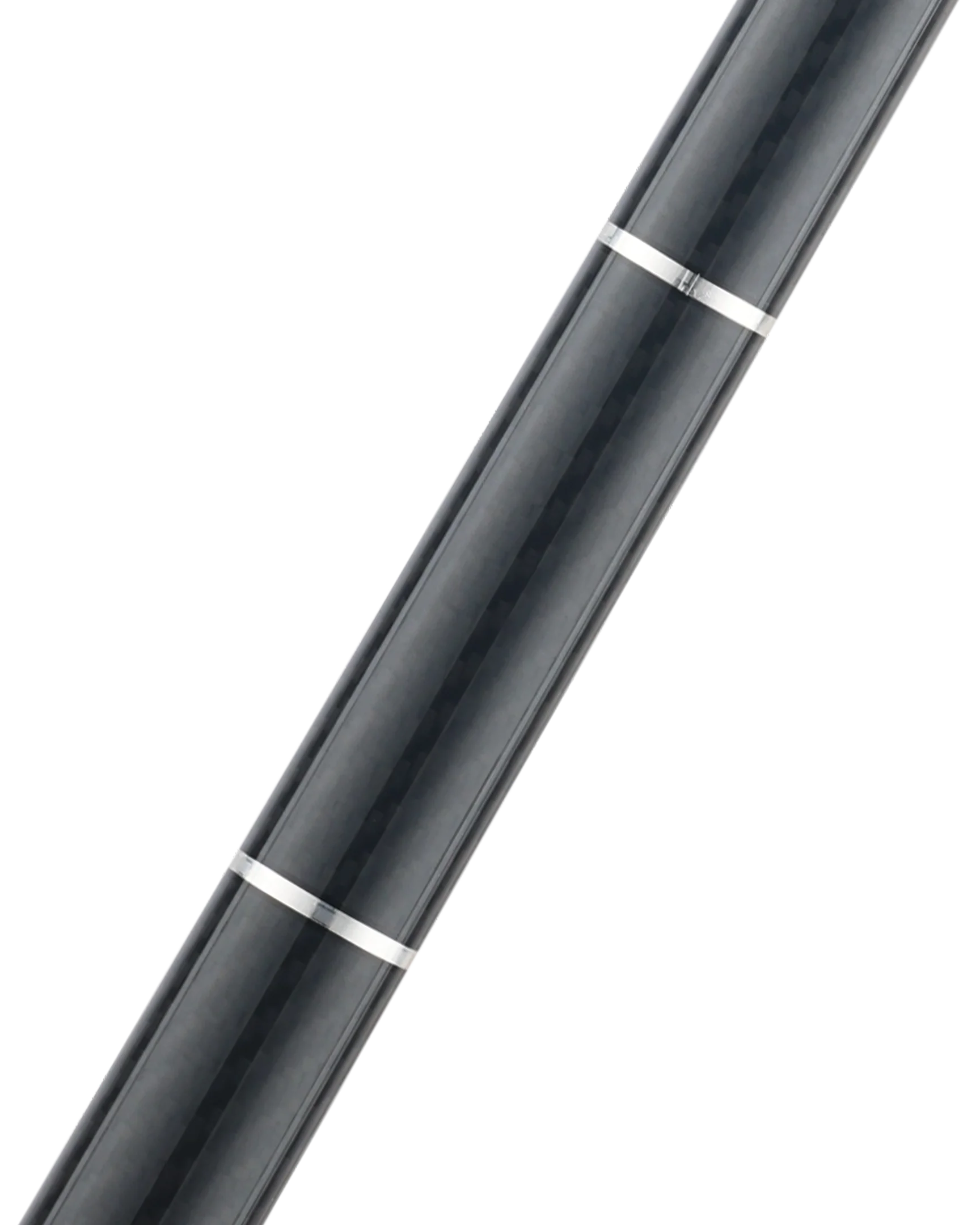
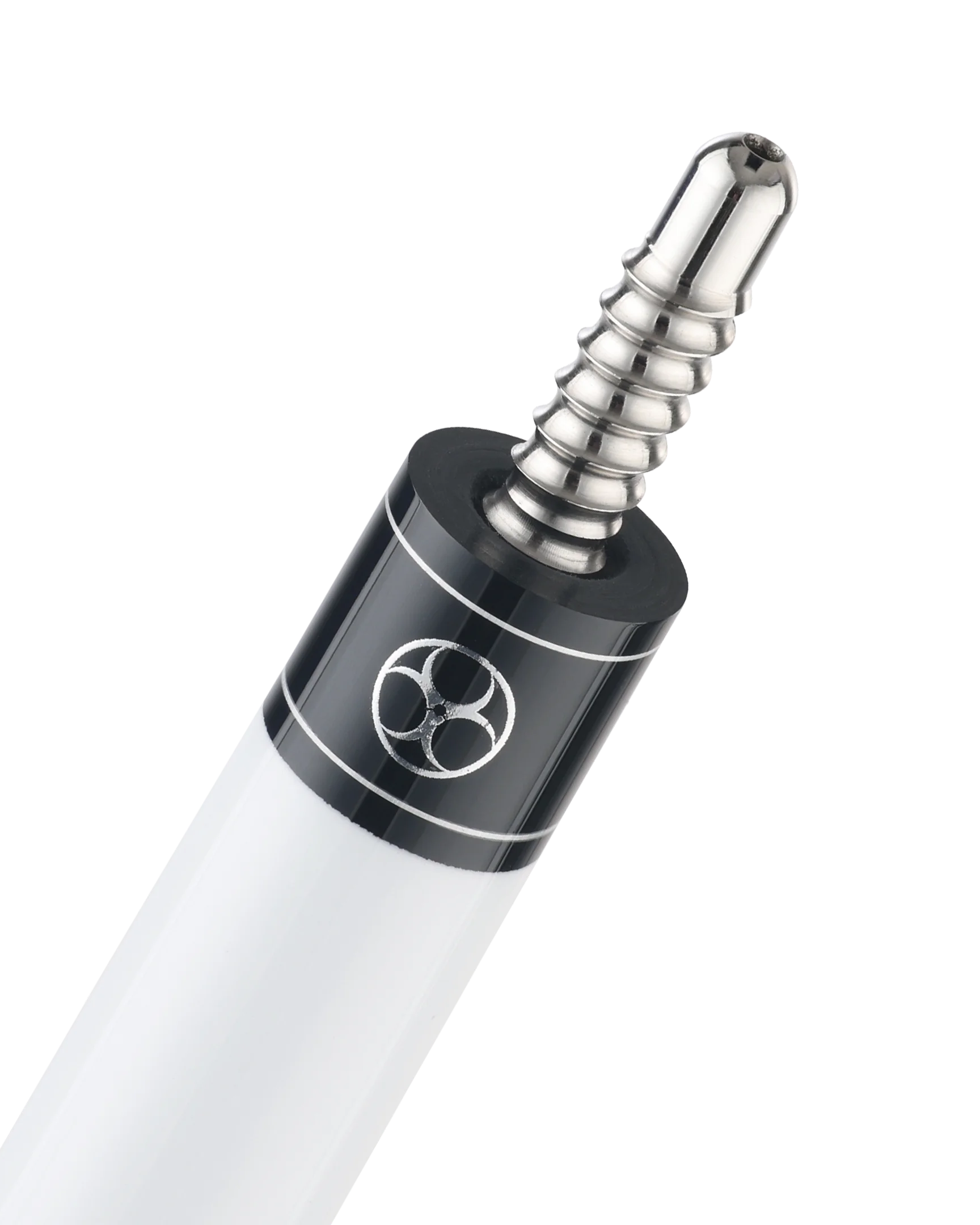
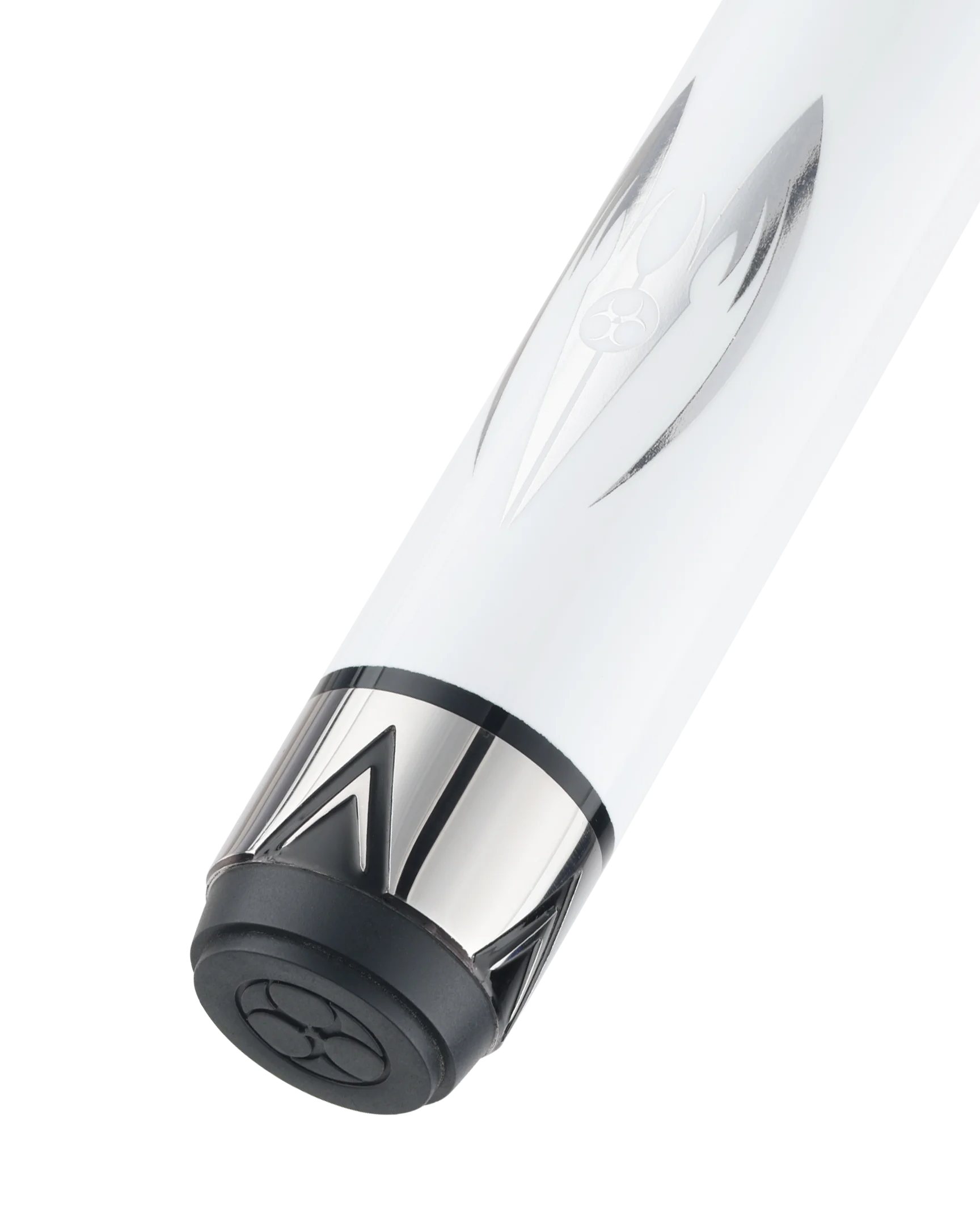












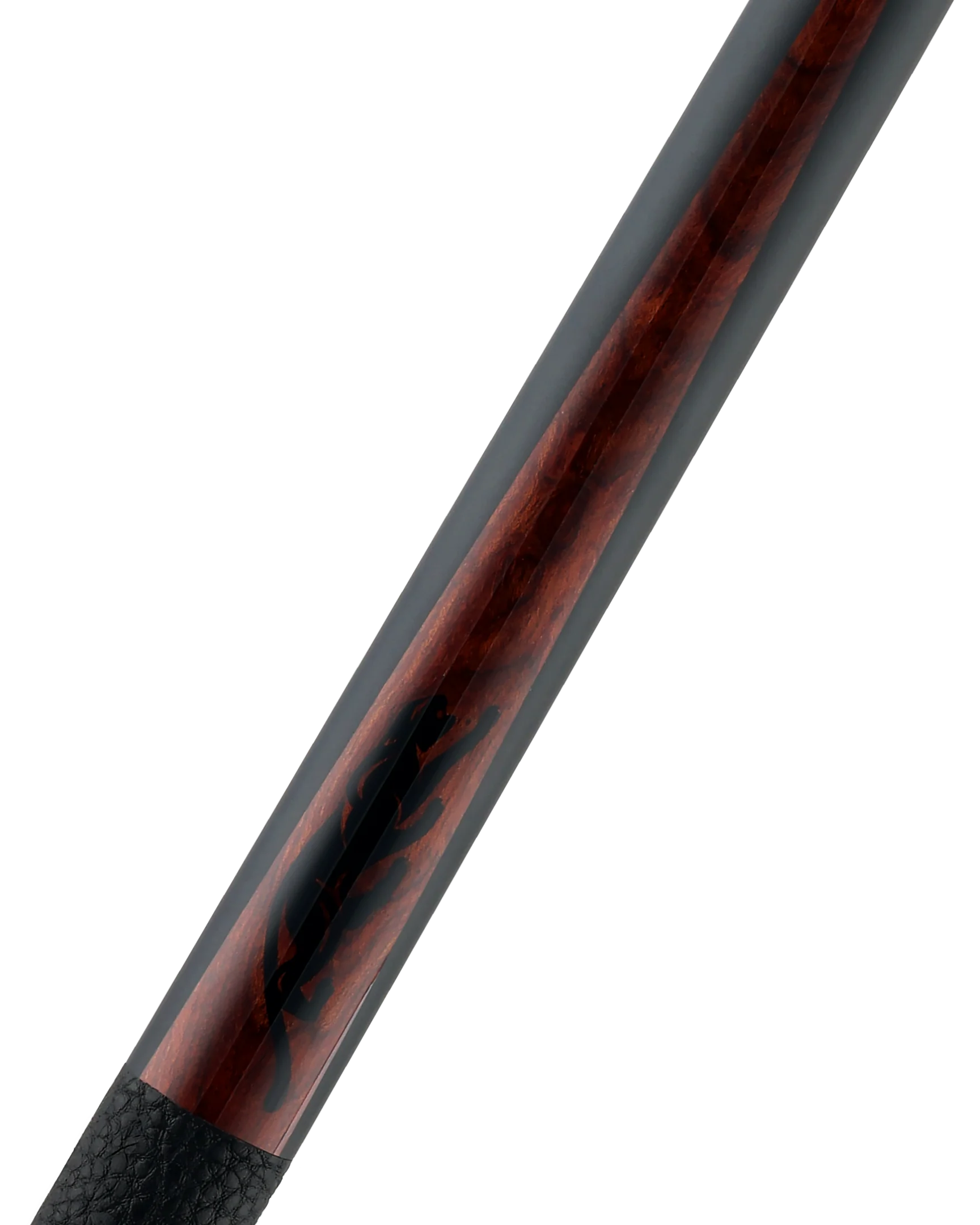

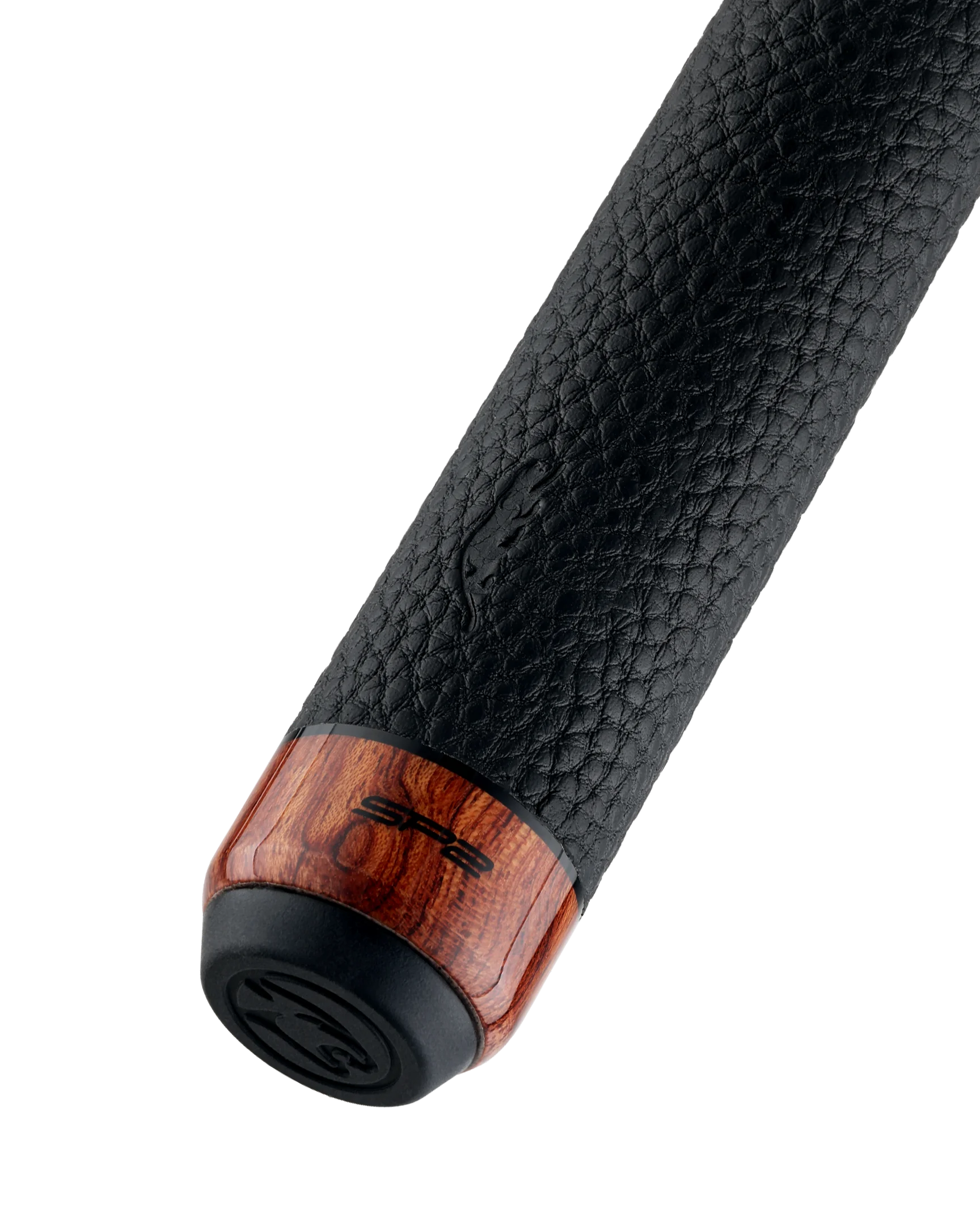
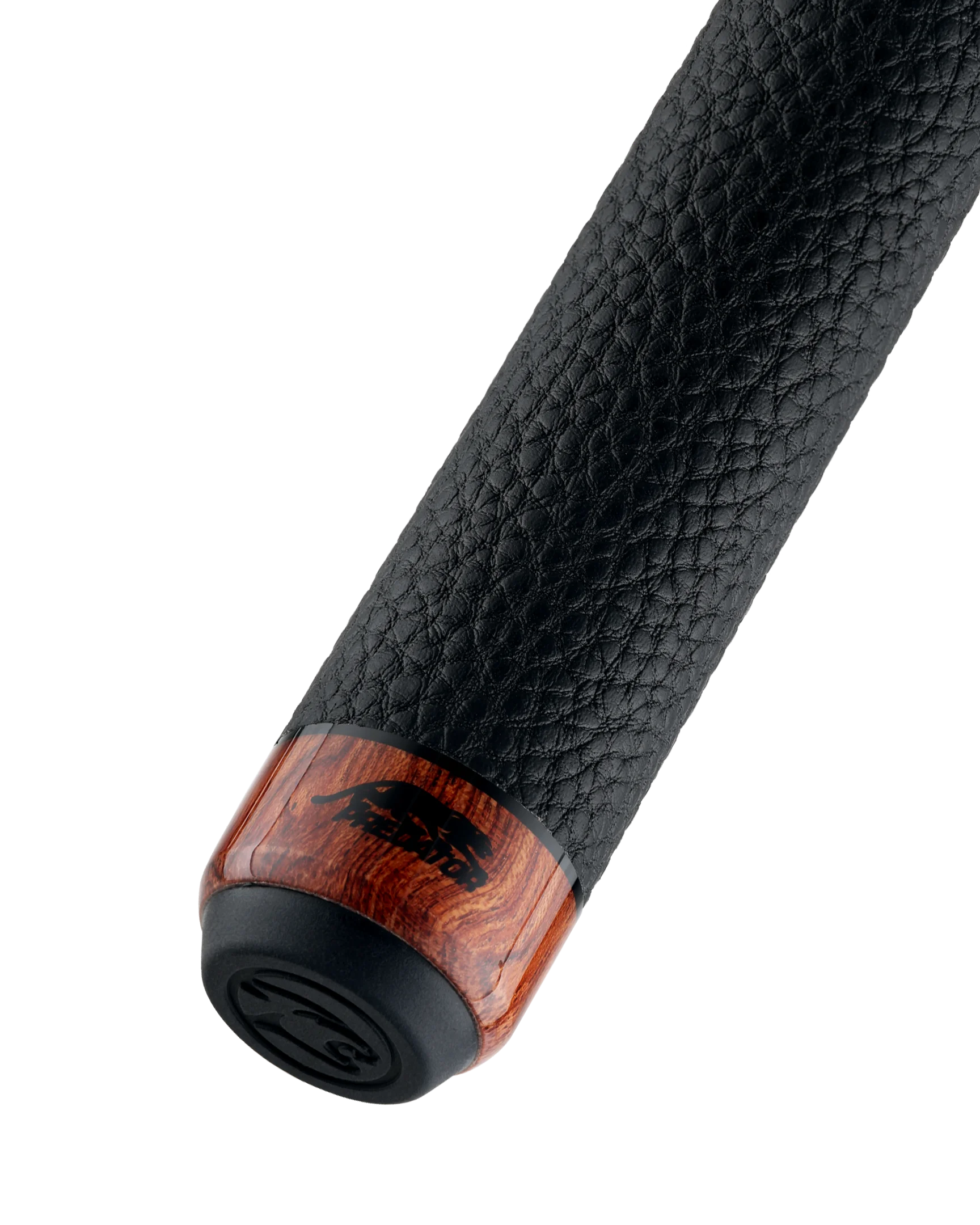


Pool Cue Buyer Questions
A standard pool cue is 58 inches long, which works for most adult players. Predator also offers 59-inch and 60-inch cues for taller players who need extra reach — typically anyone over 6'2". If you're shopping for a younger player, our short pool cues collection is sized appropriately.
Three things matter most: shaft type, weight, and budget. Most players play best with a low-deflection shaft (REVO carbon fiber for maximum consistency, or one of our maple shafts — 314-3, Z-3, Vantage, or Centro — for a more traditional feel). Standard weight is 18.5 to 19.5 oz, and a Uni-Loc Weight Cartridge System lets you fine-tune. For a deeper walkthrough by skill level and price, see our pool cue buying guide. If you're stuck between options, the Predator Blak series is the most-played starting point for serious players.
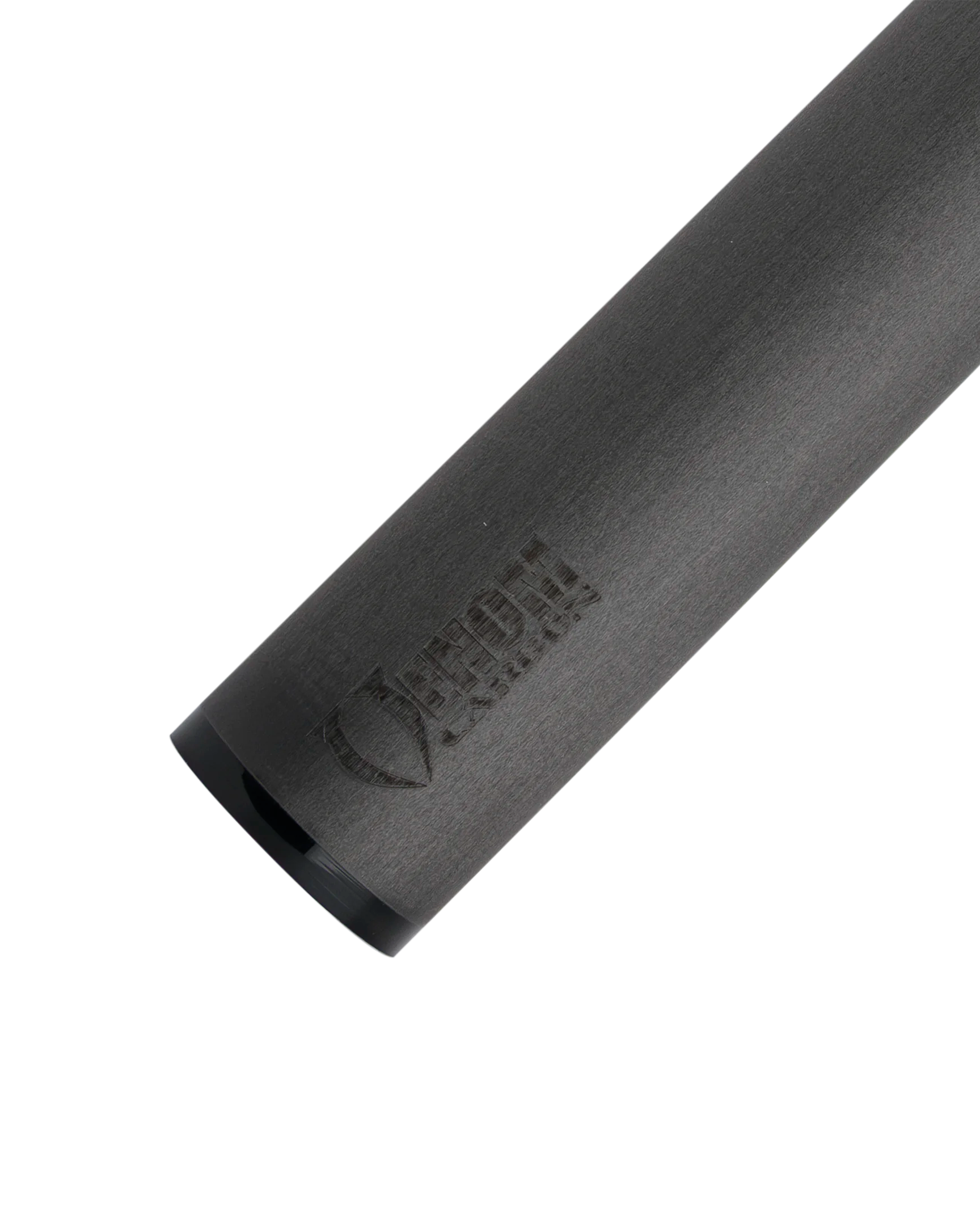
Predator is our flagship tournament brand — used by more than half of the top 20 ranked professional players in the world. Predator cues like the Blak, P3, 10K, and Limited Edition series feature our most advanced construction (C4+, REVO shafts) and command premium pricing. Poison is our sister brand, engineered by Predator to deliver real low-deflection performance at accessible price points. The Poison Maelith and Candy lines pair with our Venom carbon fiber shaft and are an excellent first serious cue for league players and intermediate competitors.
Carbon fiber pool cue shafts — like our REVO shaft — are dimensionally more stable than wood. They don't warp, don't absorb humidity, and play the same shot after shot, year after year. That consistency is why the majority of top-ranked professionals now play carbon fiber. Wood shafts (our 314-3, Z-3, Vantage, and Centro lines) still appeal to players who prefer a more traditional feel. Both deliver Predator low-deflection performance — the choice comes down to feel preference and budget. We have a comparison table that makes it easy to see the benefits of carbon and maple.
Low-deflection refers to how much the cue ball deviates from your aim line when you apply side spin (English). A traditional shaft has a heavier front end that pushes the cue ball off your aim line, forcing you to compensate. A Predator low-deflection shaft uses a thinner, lighter front-end construction that reduces this squirt, letting you aim closer to where you actually want the cue ball to go. The result is faster progress, easier spin shots, and more consistent position play.
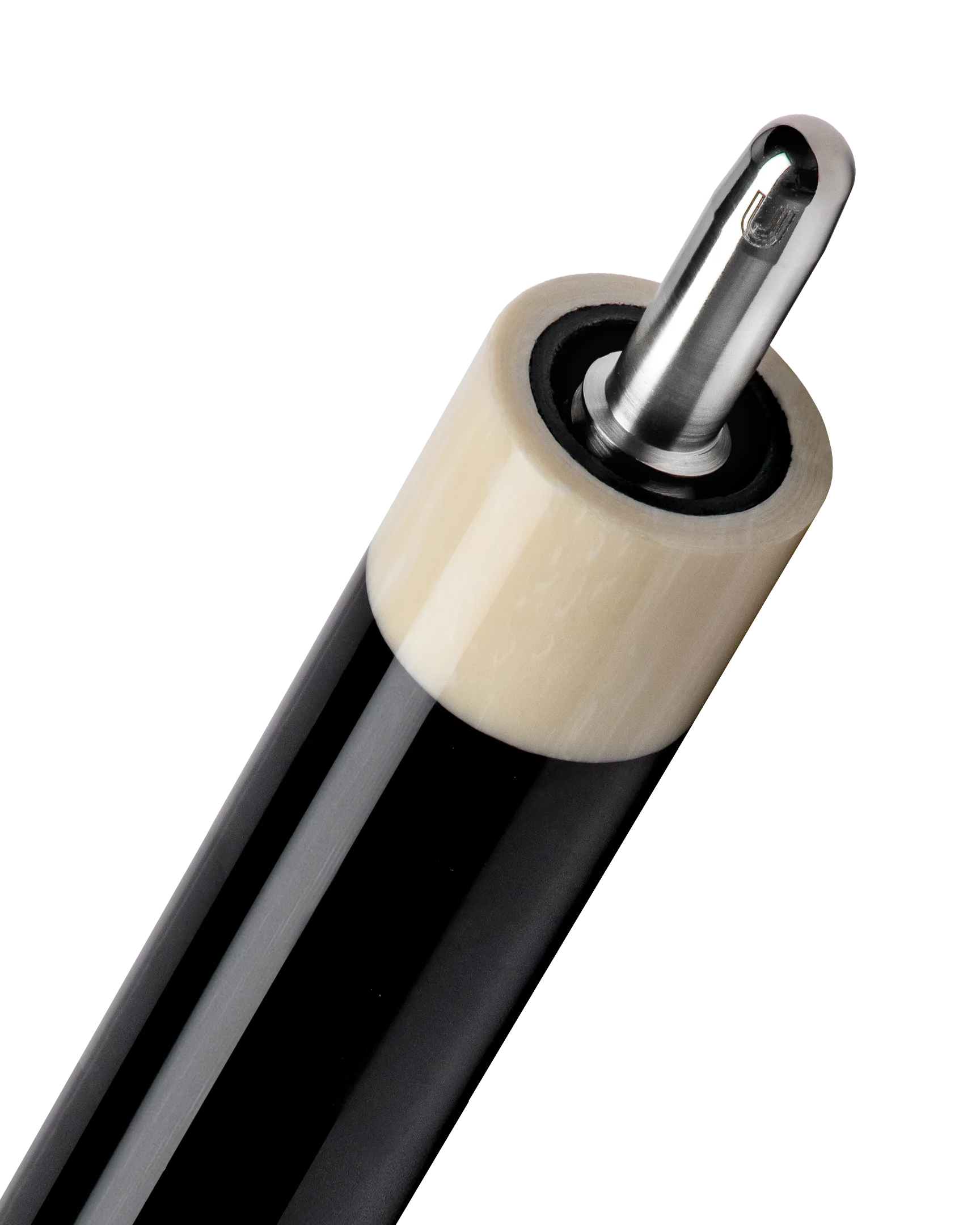
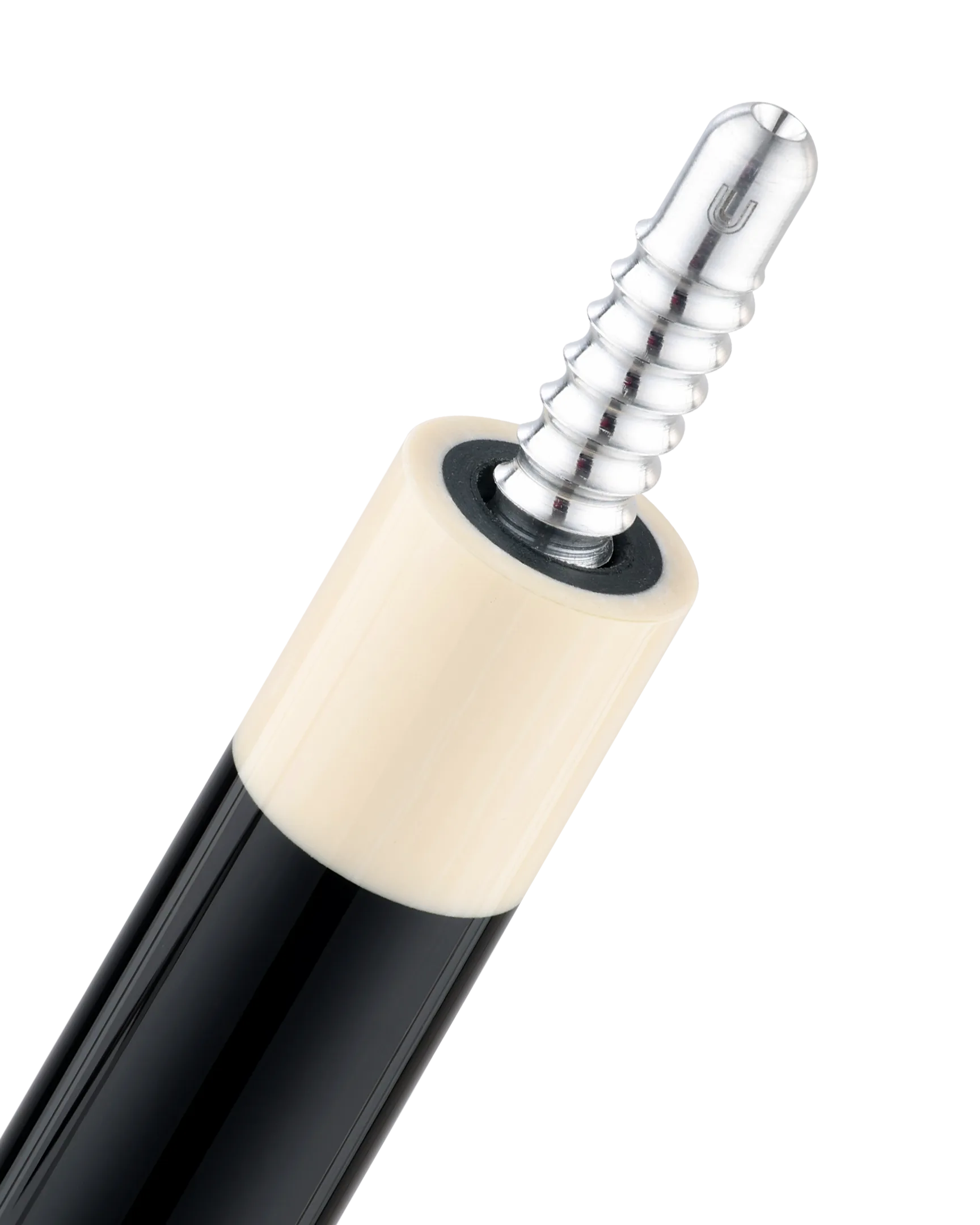
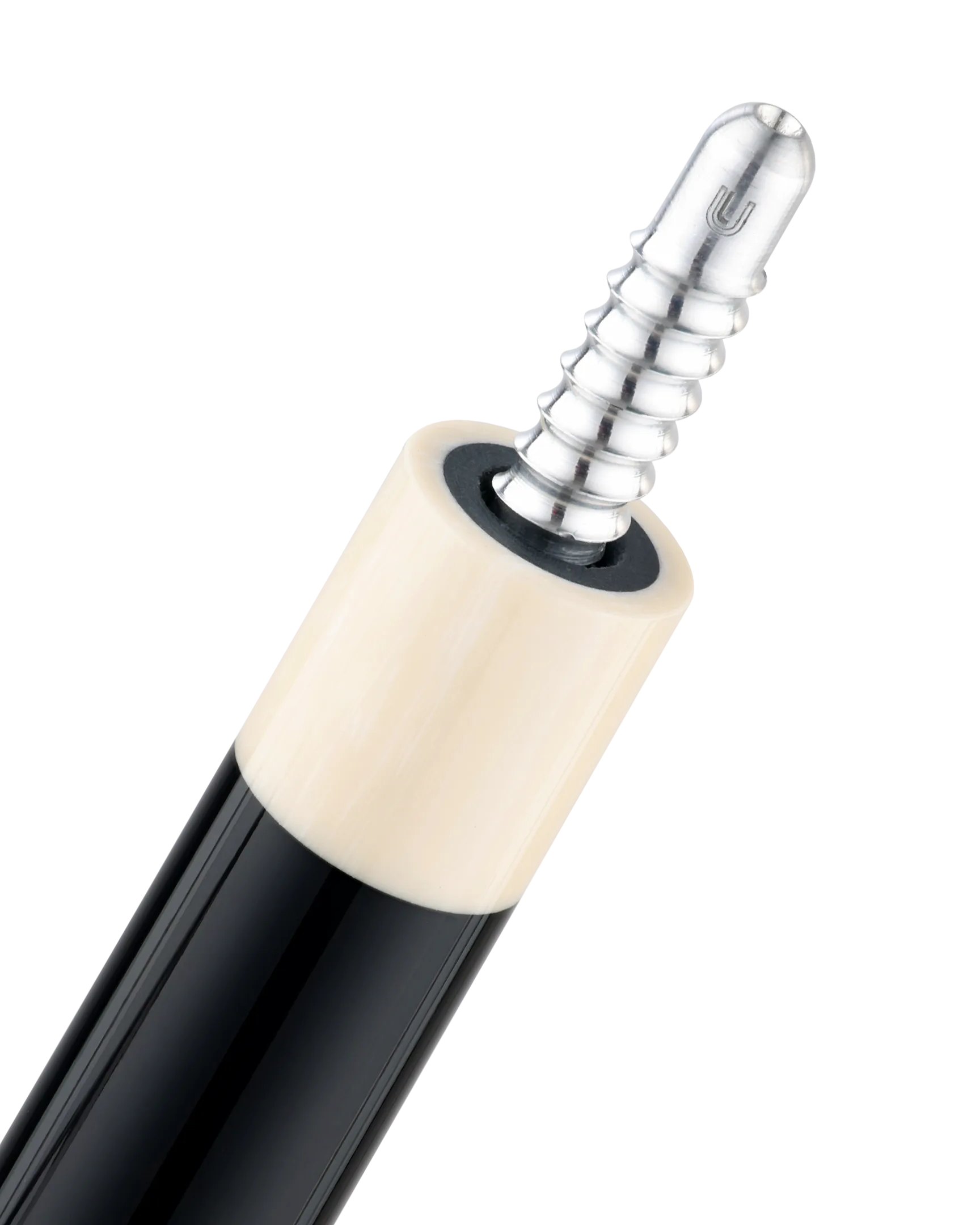
Most players use 18.5 to 19.5 ounces, with 19 oz being the most common. Lighter cues (under 18.5 oz) give you faster cue ball speed and feel more nimble for finesse shots. Heavier cues (over 19.5 oz) deliver more power on the break and a more solid hit. Every Predator cue uses the Uni-Loc Weight Cartridge System, which lets you change the weight by swapping cartridges in your handle — no tools, no trip to a cue maker.
Your bridge hand should form a stable platform 6 to 8 inches behind the cue ball, with your grip hand holding the butt of the cue at the balance point or slightly behind it. The grip should be loose — think of holding a small bird firmly enough that it can't fly away, but not so tight you crush it. Your stroke should pendulum from the elbow with your forearm perpendicular to the cue at impact. For a detailed walkthrough of stance, grip, and stroke mechanics, see our pool cue buying guide.
Beginners and casual players: $200-$450 gets you a Poison Maelith or Candy with real low-deflection performance. Intermediate and league players: $600-$1,200 covers most Predator SP2, BK4 entry tournament cues, and a Blak with a maple shaft. Serious competitors: $1,400-$2,000 puts you in P3 and 10K territory, the most advanced cues we make. Collectors and pros: Above $2,000, you're in Blak5, Limited True Splice 16, and Limited Edition territory.
You can buy Predator pool cues and pool sticks directly here with free shipping on orders over $100 within the USA, or find an authorized dealer near you if you’d like to try a cue in person first.


